Loma del Paraiso (Paradise Hill), Baracoa, Guantanamo Provincia ,
Baracoa, Cuba
(+53) 21451954
yes
About
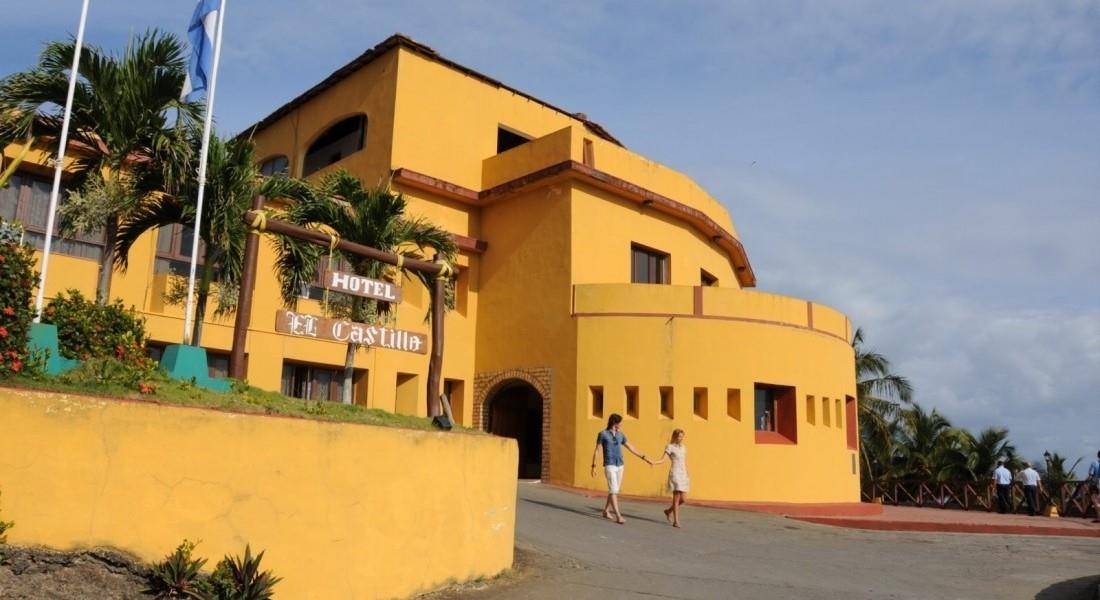
El Castillo
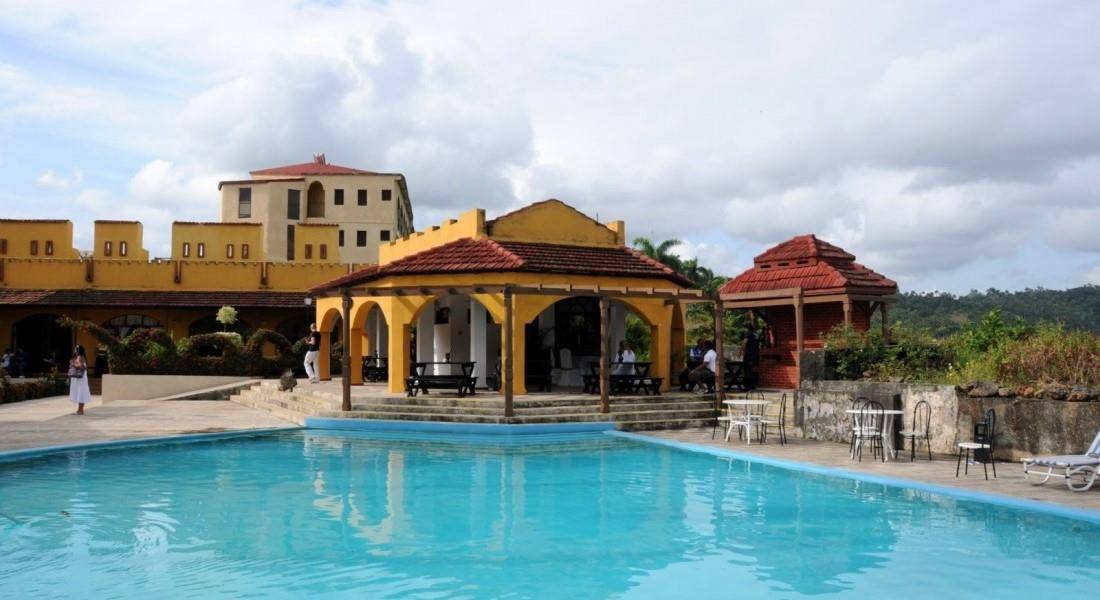
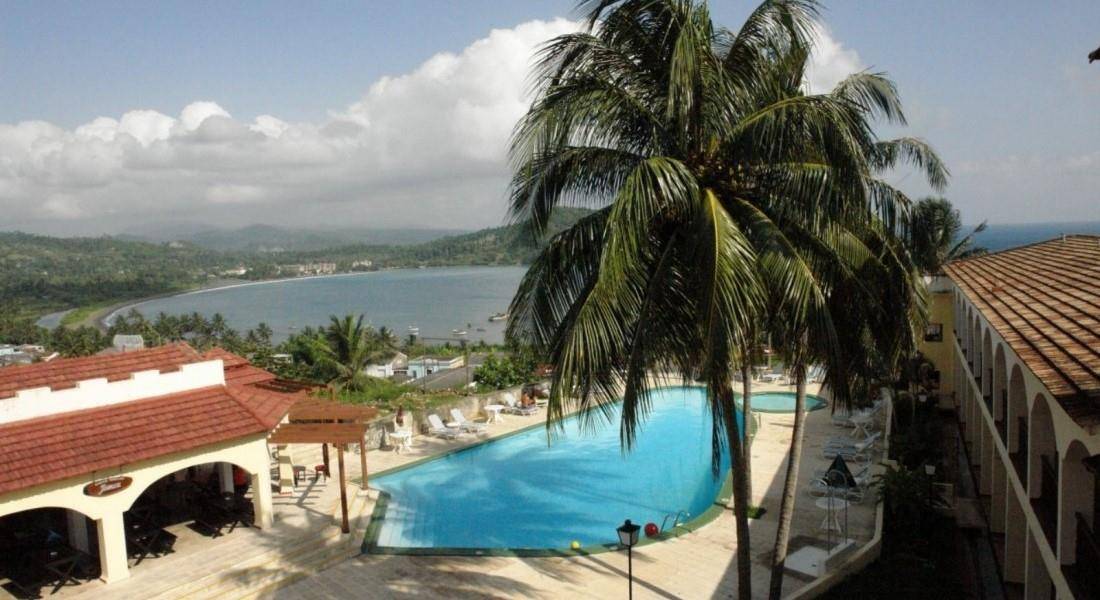
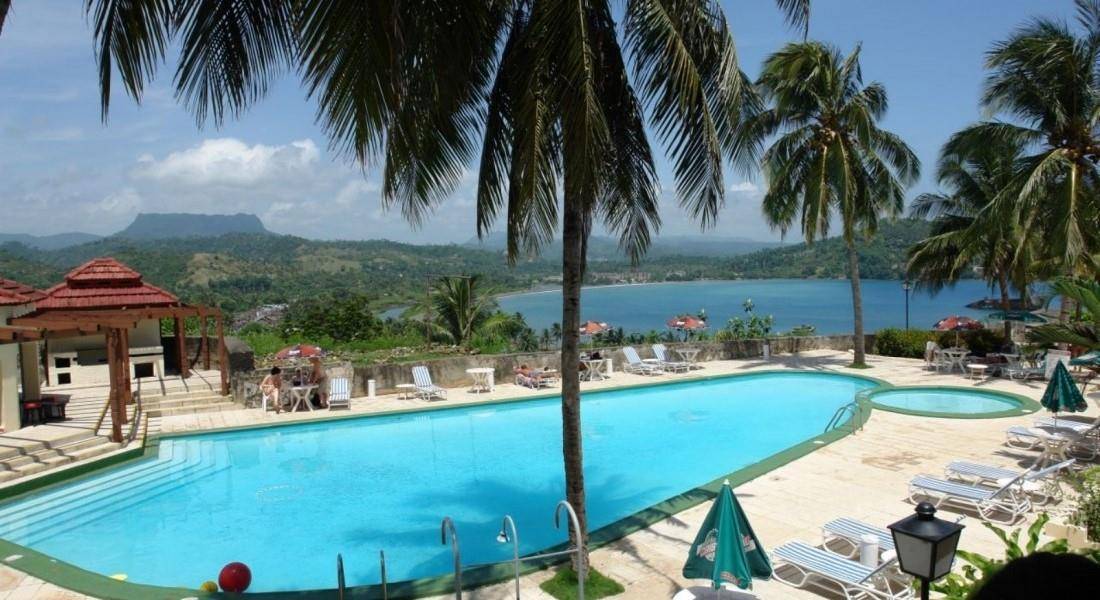
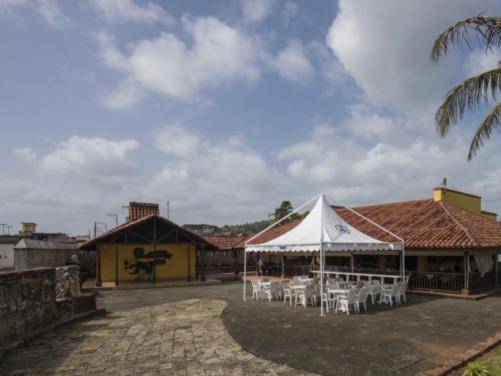
Located in the hill visible from any point of the city, with an excellent vies of Baracoa and its environment. Was constructed in 1737-1742 when was a fortress named “Castillo Ceboruco o de Santa Bárbara”.
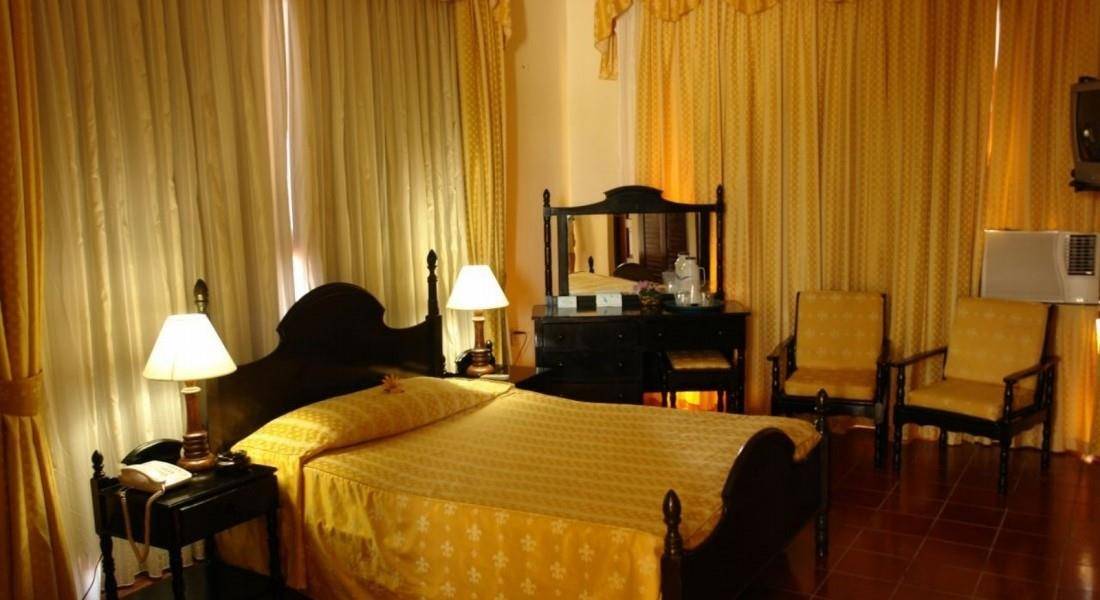
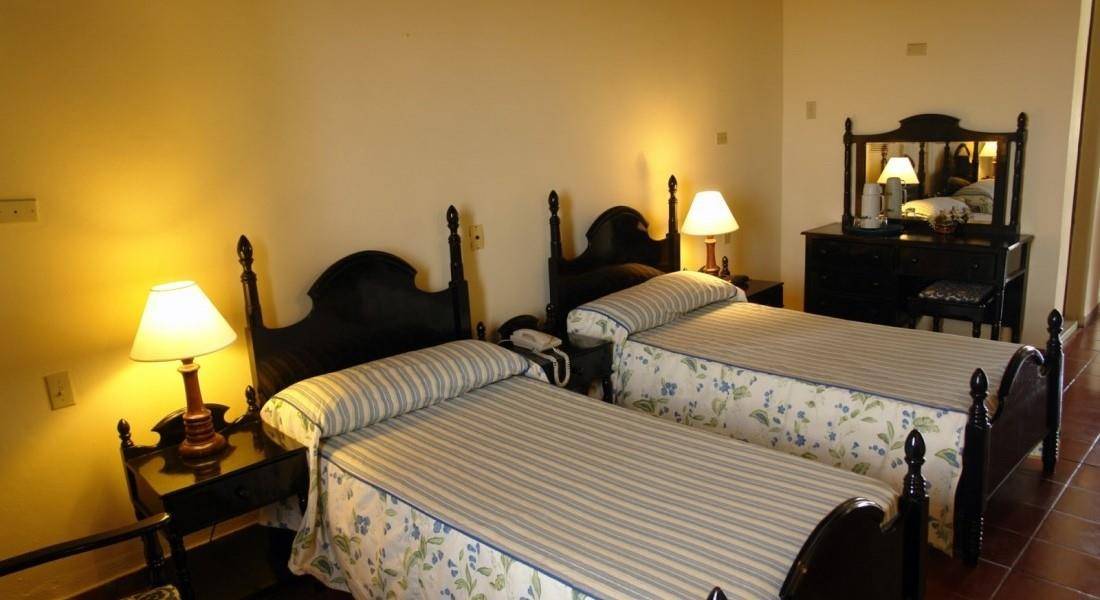
Rooms: 62
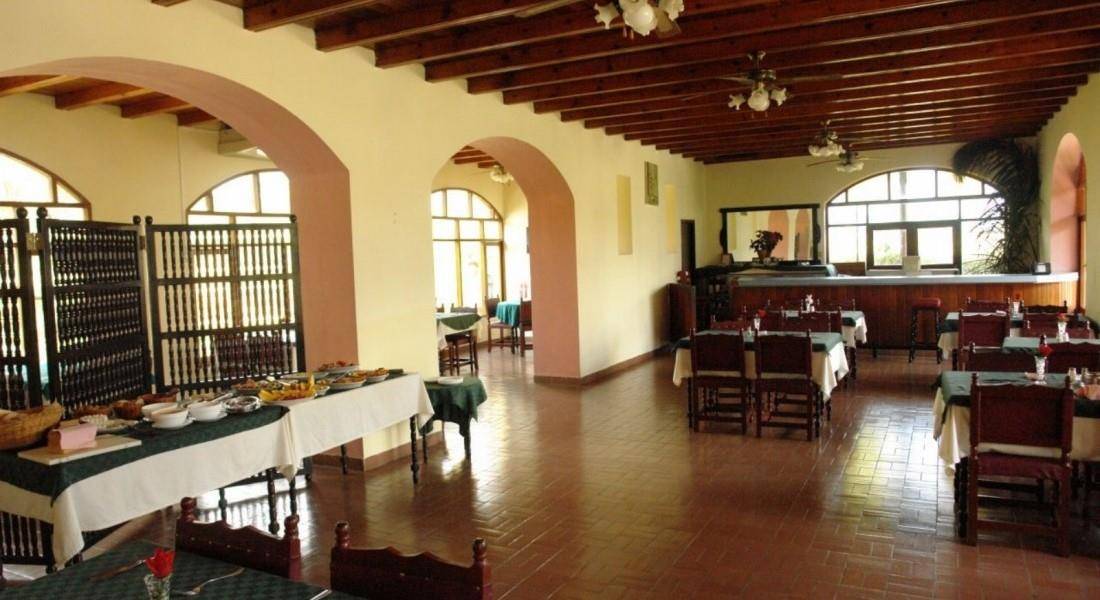
Restaurants and bars: 1 Restaurant and 1 bar.
Municipio de Maisí. Guantánamo
Punta de Maisí
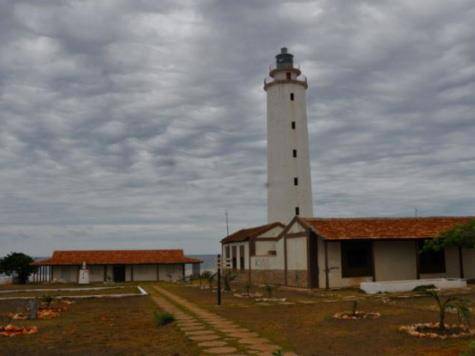
The place is characterized by a lighthouse, known as La Concha, which dates from 1861 and from where, going up to its 144 steps, you can admire some impressive views. Its construction was authorized by the Queen of Spain and began the construction of the lighthouse at Punta de Maisi in 1857, under the leadership of the Commander Engineer, Don Mariano Moreno. In the area you can enjoy the magnificent Maisí Terraces. Of the 24 emerged ones, some reach the height of 460 meters above the sea level; while in the underground levels can reach a depth of 180 meters. On cloudless days you will have the chance of sighting Haiti, located 70 kilometer far from Punta de Maisí Top. You can also relax in the best white sand beach that you will find below the lighthouse.
Baracoa
El Yunque
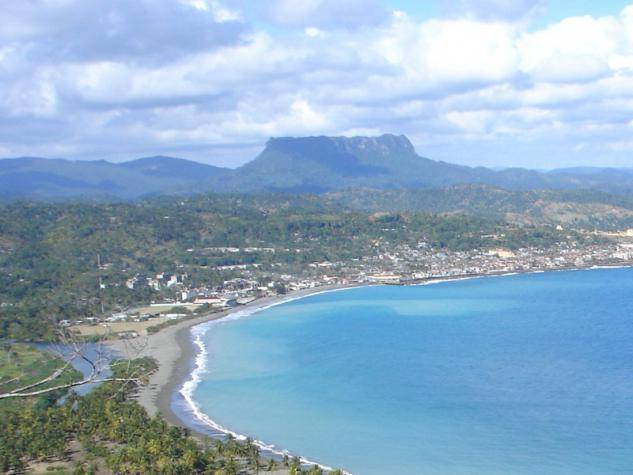
A peculiar elevation of vertical slopes and flat top located 8 km off the Baracoa city, Columbus described it in his diary notes of his first trip to Cuba in 1492. El Yunque de Baracoa, declared National Monument and symbol of the city of Baracoa, considered an ecological island that called the attention of Admiral Christopher Columbus in his first trip to the Americas, serving as an orientation feature due to its unusual characteristics (flat topped). The fauna of the Yunque is rich and diverse there are abundant woodpeckers, humming birds, jutias, lizards, reptiles. There is a natural viewpoint at 573 m, from which one can see a vast landscape of green mountains and rivers with the Bay of Baracoa as backdrop.
Provincias de Holguín y Guantánamo (Baracoa)
Alejandro de Humboldt National Park
The Alejandro de Humboldt National Park is of the most important places for the preservation of the endemic flora of the region. The name of the park is an homage of the German Alejandro de Humboldt, an important scientist who went all over the island in the 19th century, achieving the title of Cuba’s Second Discoverer. It covers the provinces of Guantánamo and Holguín, in the northeastern region of the country with an extension of 10,680 hectares. This Park was declared World Heritage in 2001 and is one of the mountainous richest endemic ecosystems in the world. The landscapes of the area are typical and at the same time unique in the country, showing contrasts between the mountains of Sagua-Baracoa, with the vegetation of tropical humid forests. The park has camping places, accommodations, guided routes and high qualified staff to solve any doubt or problem of the visitors. 64 species of birds have been reported in its fauna, out of which 12 are endemic, which makes this area very appropriate for their observation. The region represents the last habitat of the Royal Woodpecker, and among mammals, one of the last ones for Almiques. Here we can also find one of the most beautiful species of snails in the world: The Polymita. Enjoy the forest, rivers, puddles and waterfalls in a rainy environment which create an incomparable landscape. A real treasure you cannot miss on your trip to the Eastern side of Cuba.
Ave Los Mártires y Malecón, Baracoa
Fuerte de la Punta
Baracoa's third fortress, Fuerte de la Punta, was built in 1803 on a spit of land over the entrance to the bay. During the pseudorepublic it housed a radio telegraph office. The fortress now contains the Restaurante La Punta.
 English