658 Aguilera St. on the corner of Serafín Sánchez St., Santiago de Cuba ,
Santiago de Cuba, Cuba
(+53) 22623080
yes
About
Libertad
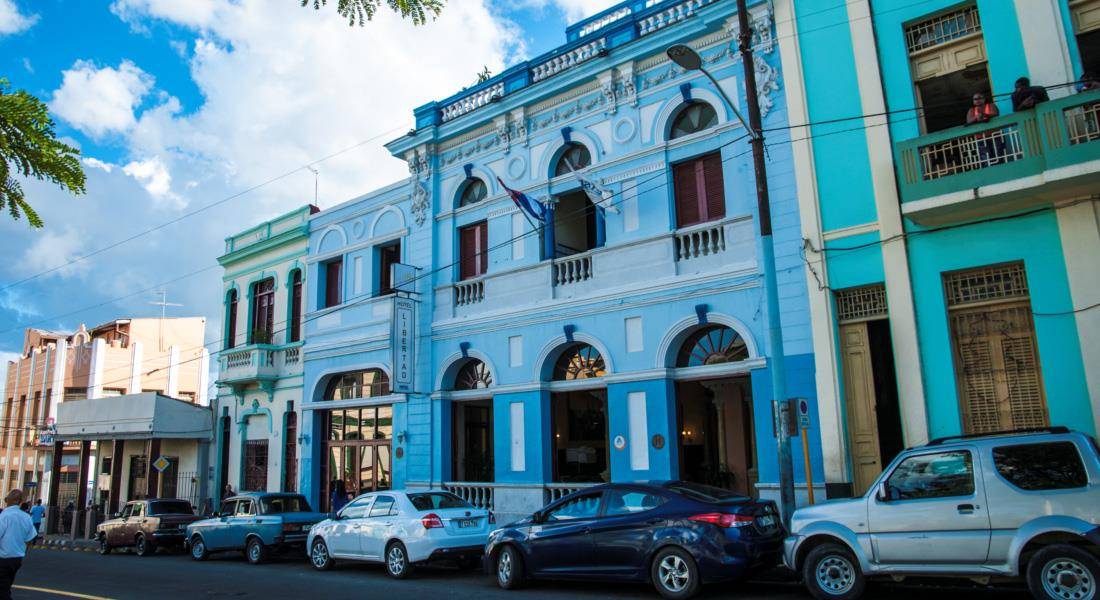
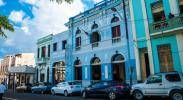
Hotel Islazul Libertad is situated in the historical center of the city of Santiago de Cuba, facing the Plaza de Marte (Marte Square), which served as a parade grounds for military ceremonies and slave auctions during colonial times. Today it is the center of important social and cultural activities.
From the hotel you can access all the city’s most important spots: Heredia Street, Casa de la Trova (House of Traditional Cuban Music), various museums such as the Museum of Rum, the Carnival Museum, the Museum of Poet José María Heredia and the Ambientación Museum among others; also on the outskirts of Santiago visitors can visit and enjoy Baconao Park and the Virgin de la Caridad del Cobre (Virgin of Charity, Cuba’s Patron Saint), among other sites.
Carretera de Siboney y San Juan. Santiago de Cuba
Loma de San Juan
Visit San Juan Historic Park, a place where it was developed an important battle of the North American-Cuban-Hispanic War, bringing the end to an era. At the helm of a brigade at this battle was a future president of the United States, Theodore Roosevelt. The Peace Tree (Árbol de la Paz) is the tree in which it was signed the surrender of Santiago de Cuba.
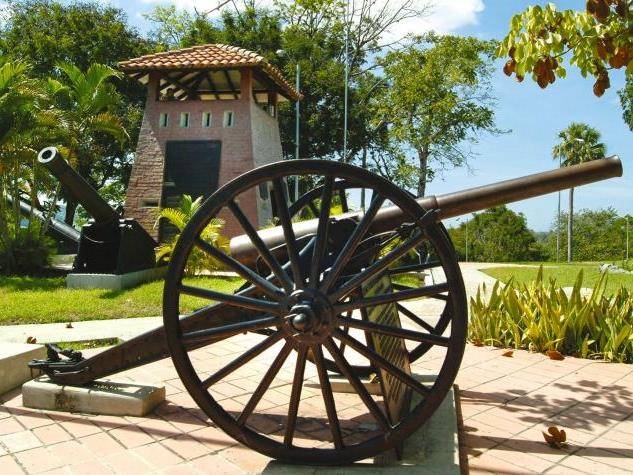
In the San Juan Hill you can admire various monuments in memory of the numbered casualties in both sides in the battle developed in the surroundings of Santiago on the first of July 1898. You can witness sculptures to the Victorious Mambí, to the Unknown North American Soldier and to the Spaniard Soldier surrounded by a series of cannons and artillery objects decorating the place. This is the only place in Cuba with a monument to the American soldier.
Furthermore, quite close to the hill, a ceiba tree named the Peace Tree (Árbol de la Paz) witnessed the surrender of the city, although nowadays just remains the trunk of this historic tree which fell few months after the centenary of the battle.
Calle Heredia. Santiago de Cuba
The Troubadou’s House
This venue is one of the symbols of Santiago de Cuba, where traditional rhythms such as the trova, bolero and son were born. Situated very close to the Parque Céspedes, it is the meeting place for 'trovadores', both old and new. Considered one of the most important cultural institutions in Cuba, it preserves a musical movement that is deeply-rooted in the traditions of Santiago and forms an integral part of the city's life.
Santo Tomás y Francisco Vicente Aguilera. Santiago de Cuba
Museum of Historical Cuban Atmosphere
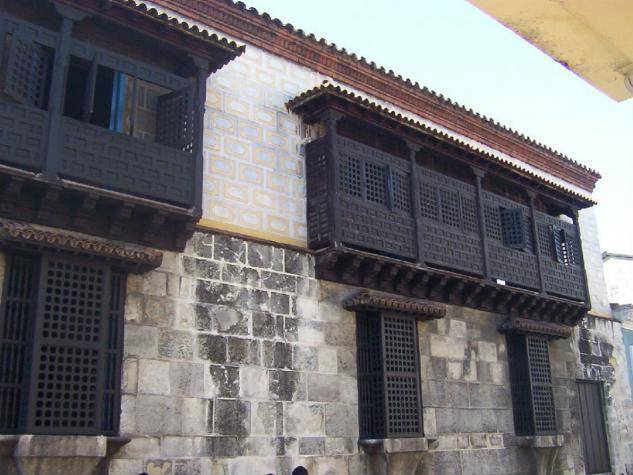
Located in front of the Céspedes Park, the Museum of Historical Cuban Atmosphere is one of the most important museums in Santiago de Cuba. The museum is constituted by two antique houses that were built in different times. One is from the 16th century while the other is from the 19th century, and both show the way of life of the centuries in which they were built. The oldest house was built in 1515 and is a gem of the colonial architecture. It was the Governor Diego Velázquez’s home and the Casa de Contratación y Fundición de Oro (Hiring House and Golden Foundry). After several changes, the house was restored in 1965 and the space was dedicated to show the way of life of the 16th, 17th and 18th centuries. The most modern house dates from the first third of the 19th century and belonged to a local family named Quesada. This house is set in the way of life of the 19th century through a series of rooms like the hallway, the 19th century patio and the garage.
Parque Céspedes, Santiago de Cuba
Céspedes park
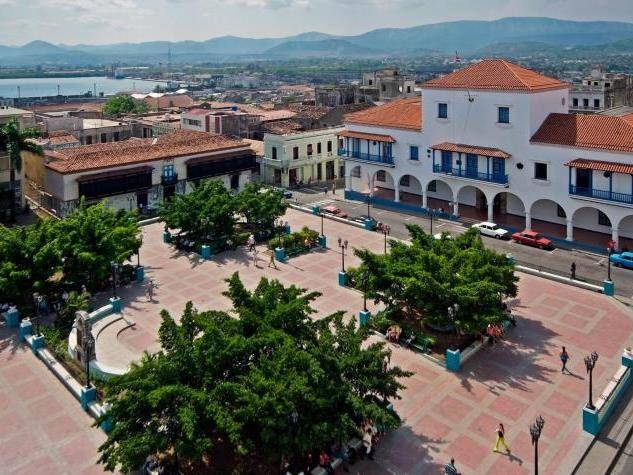
The most atmospheric part of the city is Old Santiago. Céspedes Park constitutes the political, religious, administrative and social center more important of the city. The attractive square is a genteel place with tall trees, gas lanterns and iron benches. In their perimeter were located by disposition of the Laws of Indias, the representative buildings of the power: Town Hall, Cathedral, the house of the governors and the mansions of the main families of the village. Parque Céspedes is dominated by its twin-towered cathedral. A basilica was built on this spot in 1528, but what you see was rebuilt in the early 19th century after a series of earthquakes and fires.
 English