Hotels - Lido

About  Lido

Since the Lido Hotel is in Central Havana, near the Prado and La Habana Vieja, it could hardly be more centrally located.

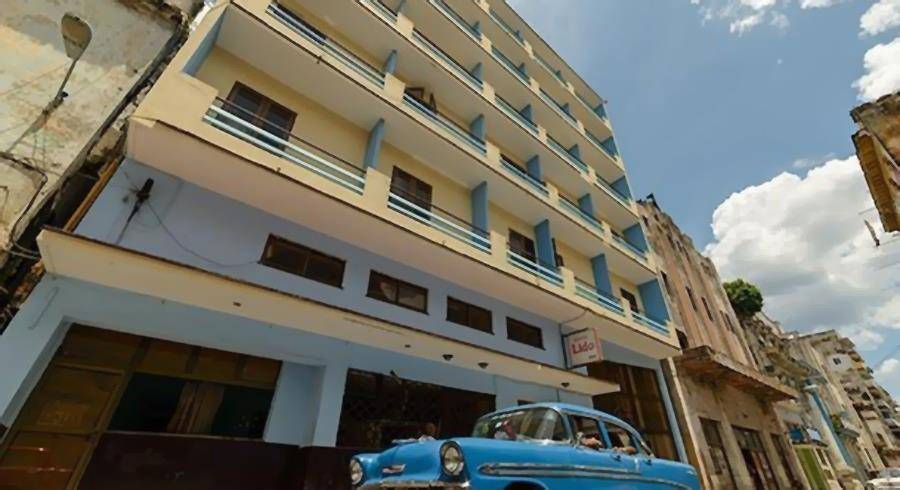
It is not in one of the poshest Cuban streets. In fact many of the buildings are quite literally falling down around you; so it is best to walk in the middle of the road. A stark reminder of the consequences of the internationally recognised "illegal" US embargo and sanctions against Cuba. However for many this just adds to the interest and charm of the place.

Sercotel Lido is the place to be, to experience buzzing street life like nowhere else on the planet, while surrounded by street after street of still magnificent Spanish colonial architecture. In every direction and in every moment there is a new unmissable photo opportunity.

This is now the best place to be based for Classic American Car lovers, with a non-stop-feast driving past the front door. And just 2 blocks up is Neptuno Street. This is new hub many classic car "Collective Taxi" routes.

Maybe the above, (and its low price), is why it is one of our most popular hotels.

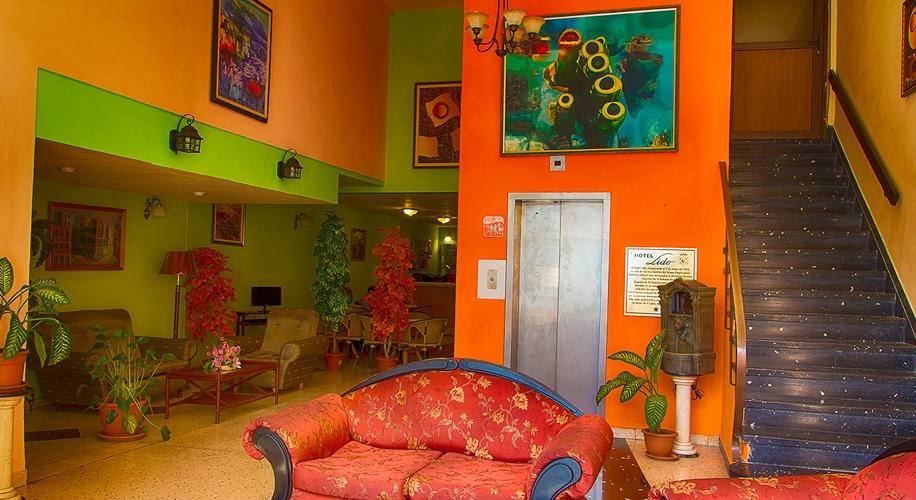
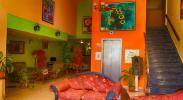
The Sercotel Hotel Lido has 65 air-conditioned rooms, all with private bath (cold water only) and telephone, TV, grill, snack bar, cafeteria, currency exchange, safety deposit box and taxi service. Has a pleasant terrace that stays open late into the night. Fifth floor rooftop bar has a fascinating view of Havana.

Paseo del Prado, Centro Habana, La Habana

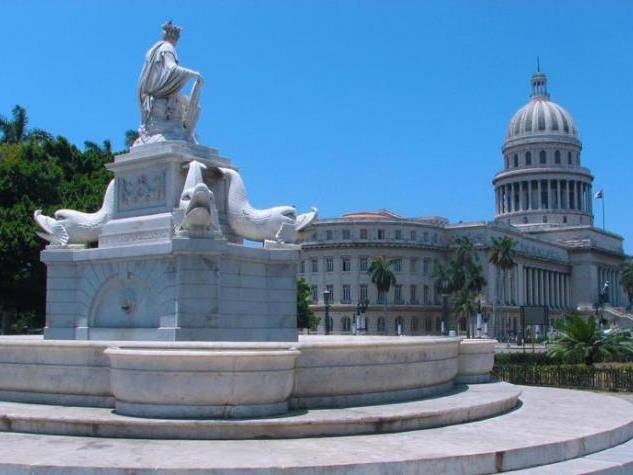
La India Fountain

Fuente de La India (La India Fountain) is located in a circus in front of the El Capitolio and Saratoga Hotel, in the city of Havana. The fountain is made in Carrara marble and was sculpted by Giuseppe Gaggini in 1837 for the Count of Villanueva. This fountain represents a brilliant indigenous woman, adorned with a crown of eagle feathers, sitting on her throne, and surrounding by four dolphins whose tongues are fountain pouring water on four shells composing its base. She holds with her hand a defense with the crest of the city, and a horn-shaped basket filled with fruits. This sculptural work has been an inspiration for several poets, and also appearing in several fantastic tales.
Carretera de La Cabana, Habana del Este

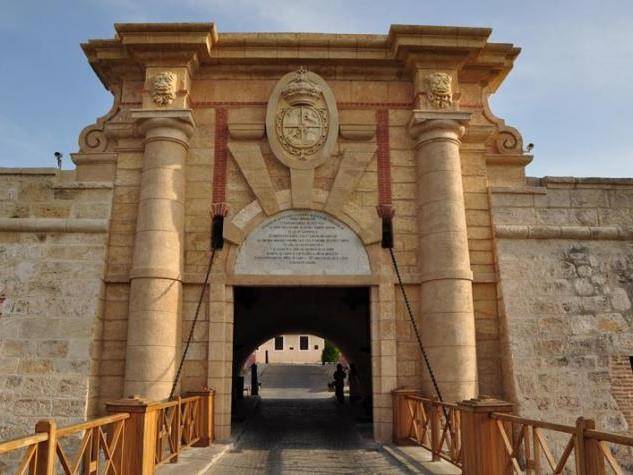
San Carlos de La Cabaña Fortress

The vast Fortaleza de San Carlos de la Cabaña, known as ‘La Cabaña’, running beside the harbor, was constructed after the English capture of Havana in 1763. The largest of the military structures built by Spain in the Americas, this fortress was completed in 1774 and its presence formed an effective complete deterrent against the country's enemies. The polygon, occupying an area of around 10 hectares, consists of bastions, ravelins, moats, covered walkways, barracks, squares and stores.  It is impressively well preserved, and the gardens and ramparts are romantically lit in the evening. This fortress hosts the spectacular nightly ceremony of El Cañonazo de las Nueve (cannon fire at 9), the firing of a cannon that marked the closing of the city gates, one of Havana's longest-held and most attractive traditions.

Carretera de La Cabana, Habana del Este

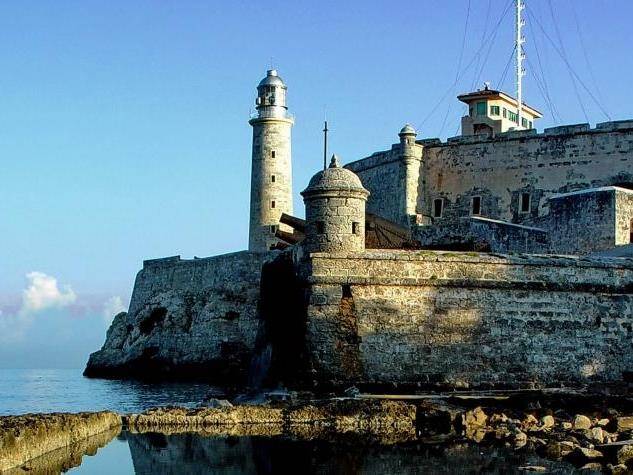
Tres Reyes del Morro Castle

Perhaps the most iconic of all Cuban fortresses. Its construction began in 1589 and was completed in 1630, playing a key role in the defence of Havana against raids by corsairs and pirates.  When the English attacked and captured Havana in the year 1762, the castle was damaged and later as soon as Spain took power again it was rebuilt and modernized. A lighthouse was added to the Morro in 1764. Standing 45 metres above sea level, it has become an unmistakeable symbol of Havana.

calle Prado, Habana

National Capitol

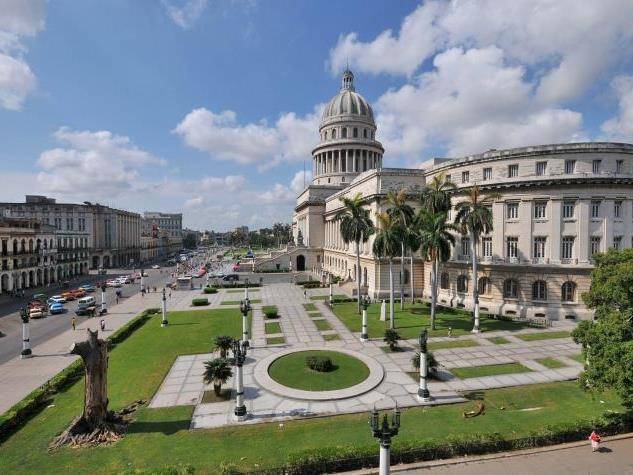
The monumental Capitolio is a replica of the American capitol in Washington, DC. It is one of the most emblematic buildings of the Havana skyline and it occupies an area of 38 875 m². It was the seat of the legislative body of the Republic since its inauguration on May 20, 1929. The facade is mainly of classic style while the interior of the building is characterized by eclectic opulence. From the stairs on we see the imposing porch columns and behind them we find the main gates, fashioned in bronze with bas-relief depicting important scenes of national history. On both sides of the uppermost part of the stairs there are two bronze statues, symbols of two guiding virtues: people and work. These statues are the work of the Italian sculptor Angelo Zanelli. 

Be the first to write a review

Write a review

Title

Your review

What sort of Trip was this?

  • Business
  • Couples
  • Family
  • Friends
  • Solo

When did you travel?

Add a tip to help travelers choose a good room (Optional)

Do you have photos to share? (Optional)

Name

Email

Skedio, S.L. CIF: B66173931. # Travel Agency Licence: GC-3667 © 2026 Enjoytravel Corporate, All rights reserved