A PHP Error was encountered

Severity: Notice

Message: Undefined property: stdClass::$geoplugin_countryName

Filename: views/service-template.php

Line Number: 42

Backtrace:

File: /var/www/vhosts/enjoycuba.travel/httpdocs/application/views/service-template.php
Line: 42
Function: _error_handler

File: /var/www/vhosts/enjoycuba.travel/httpdocs/application/controllers/Hospedaje.php
Line: 1067
Function: view

File: /var/www/vhosts/enjoycuba.travel/httpdocs/application/controllers/Hospedaje.php
Line: 64
Function: descripcion_hotel

File: /var/www/vhosts/enjoycuba.travel/httpdocs/index.php
Line: 315
Function: require_once

Gran Manzana Kempinski

Hotels - Gran Manzana Kempinski

About  Gran Manzana Kempinski

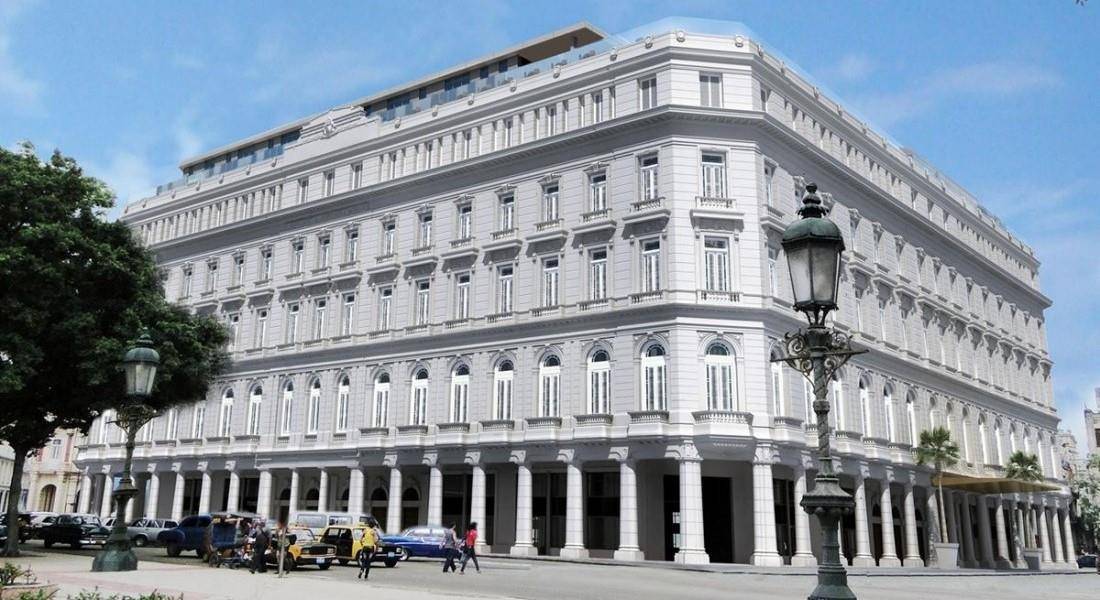
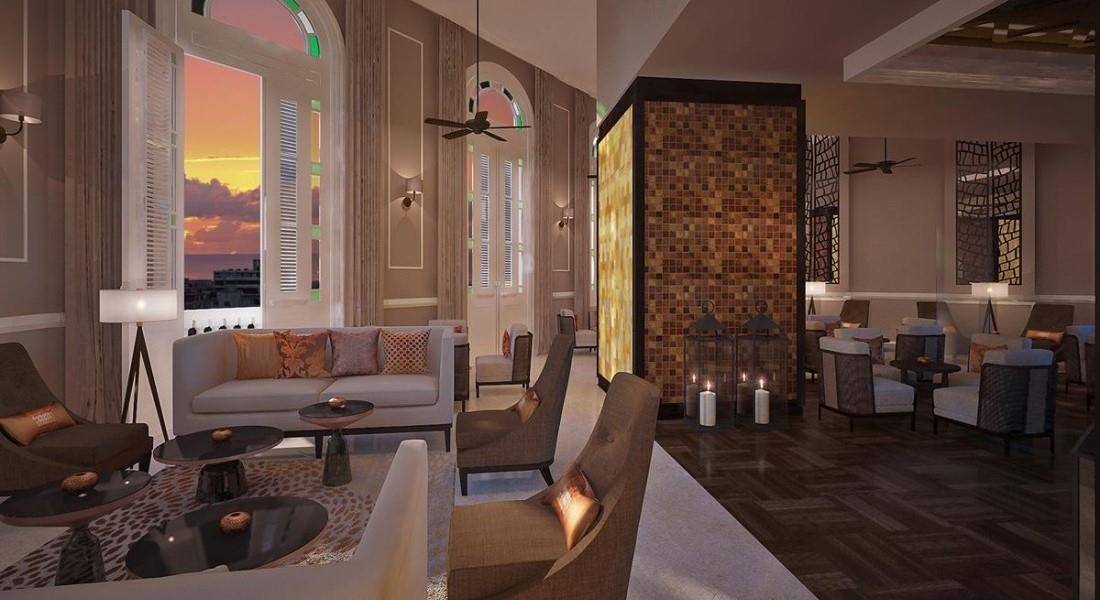
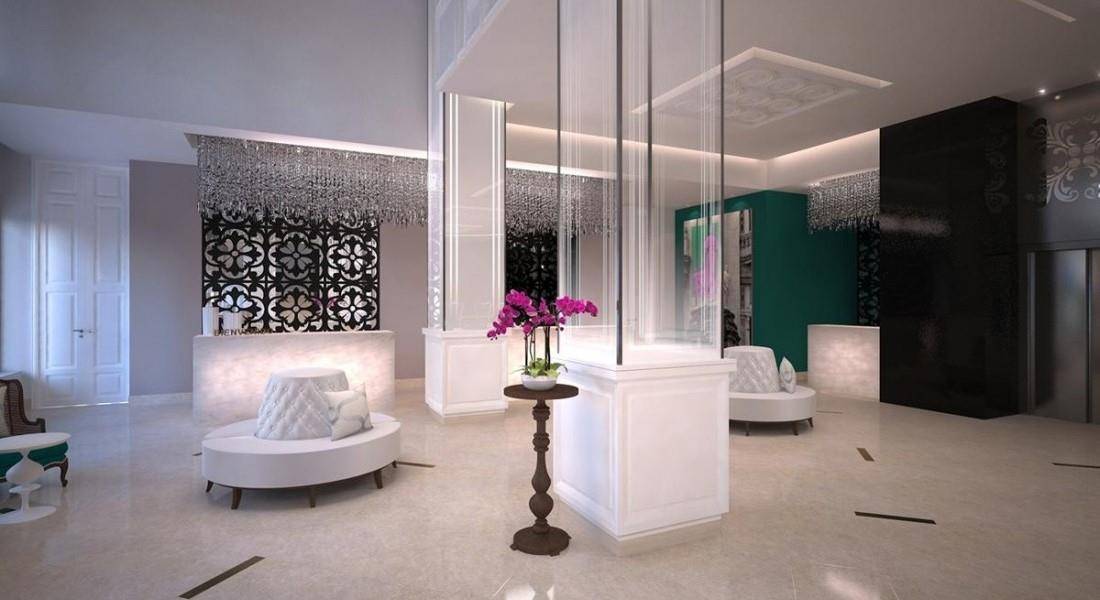
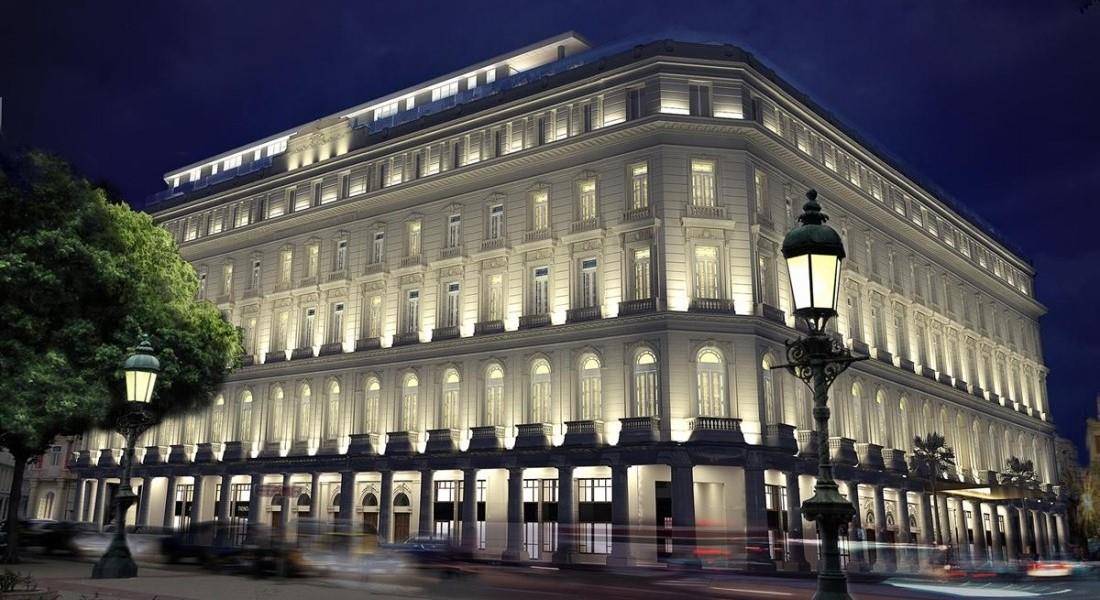
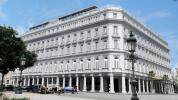
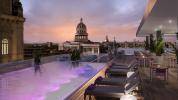
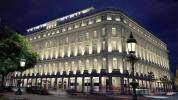
The Gran Hotel Manzana Kempinski La Habana has been described as the urban centre of gravity that pulls together Old Havana. Located on a block unto itself, the Gran Hotel Manzana connects the four main streets of Neptuno, San Rafael, Zulueta and Montserrate and facing the mouth of Obispo. The building proves to be the gateway to the touristic and commercial heart of the city. The Gran Hotel Kempinski looks straight out onto the infamous cocktail bar and Hemingway hangout, the Floridita whilst being flanked by the beautiful art deco Bacardi building and the Museo de Bellas Artes. The construction of the Manzana de Gómez (this is the original name of the building) was started in 1890 and taken over by its namesake Andres Gómez Mena in 1894. The building named The Apple of Gómez, has since become the Apple of Havana’s eye.

Finally completed in 1910 Manzana de Gómez initially consisted of one solitary floor, stretching the length of the square. By 1918 the building had expanded to its current capacity, occupying a further four floors. The Manzana de Gómez was initially established as Cuba’s first indoor shopping centre, or ‘mall’. Forming part of the pre- Revolutionary tourist experience of Cuba, US visitors centred many trips around the shopping experience of the Manzana de Gómez, the splendour of which could have been compared to the Galerie la Fayette in Paris. Unfortunately the many passing turbulent years took their toll upon the facade and interior of the building. Post- Revolution the building maintained its commercial uses whilst also accommodating many government offices. The deterioration of the building resulted in the closing of the space and eventual total refurbishment led by the luxury Swiss hotel group Kempinski.

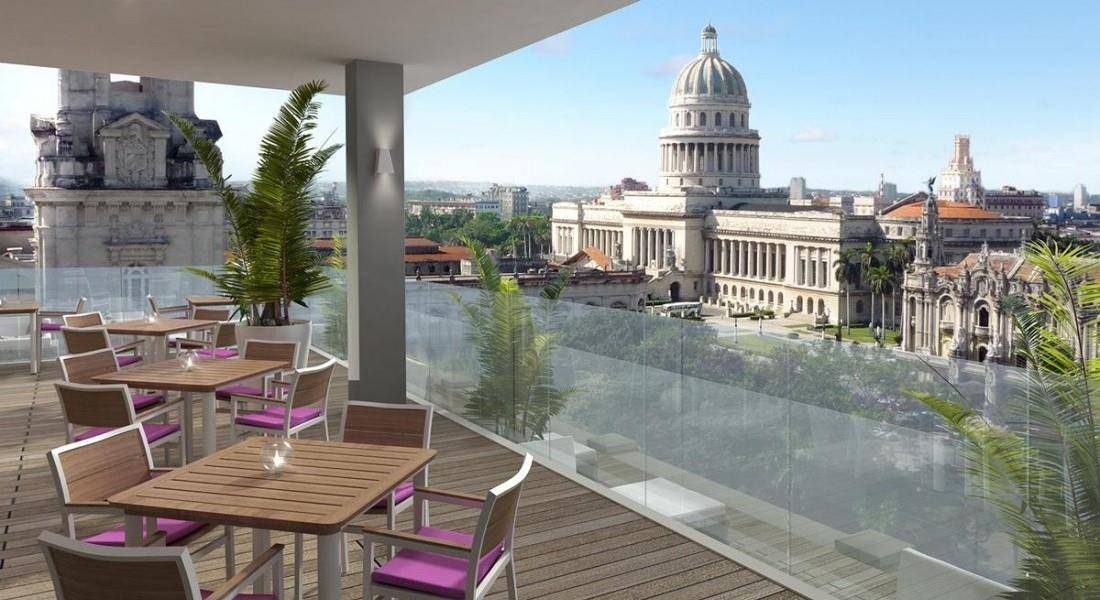
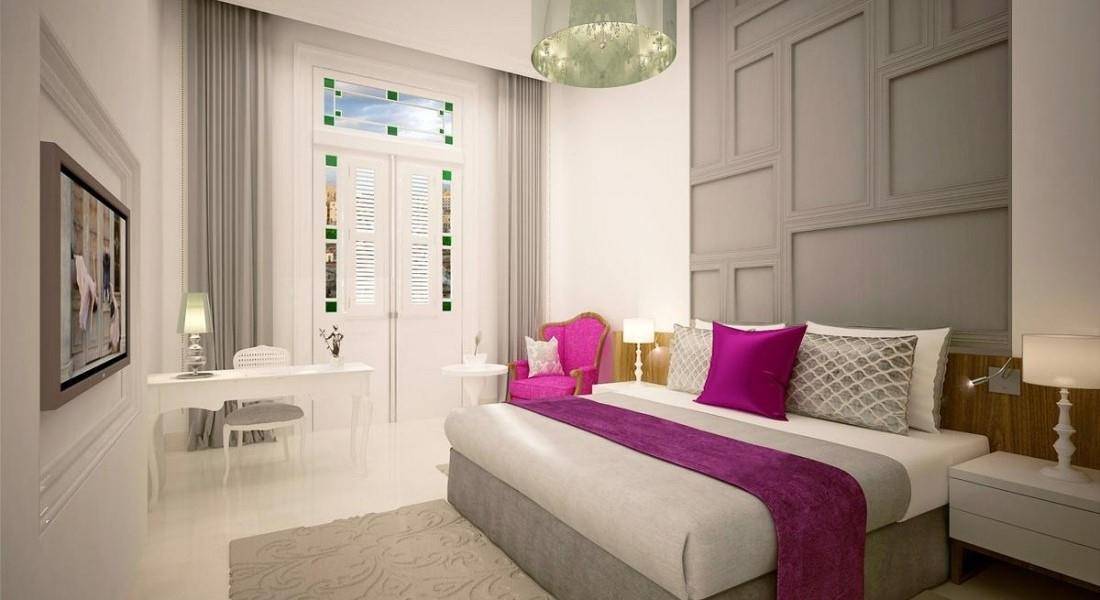
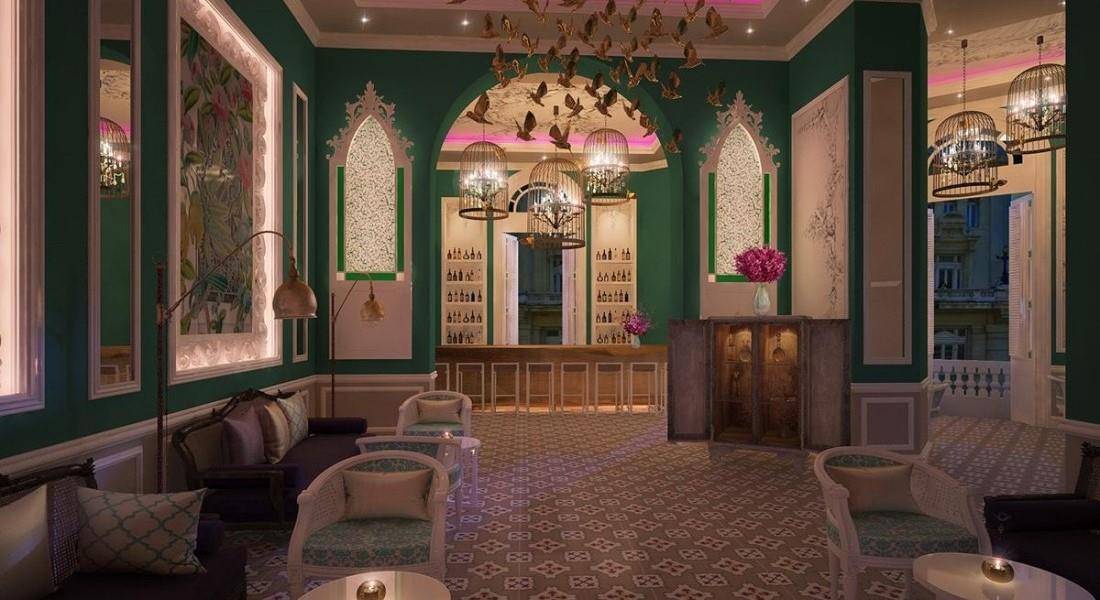
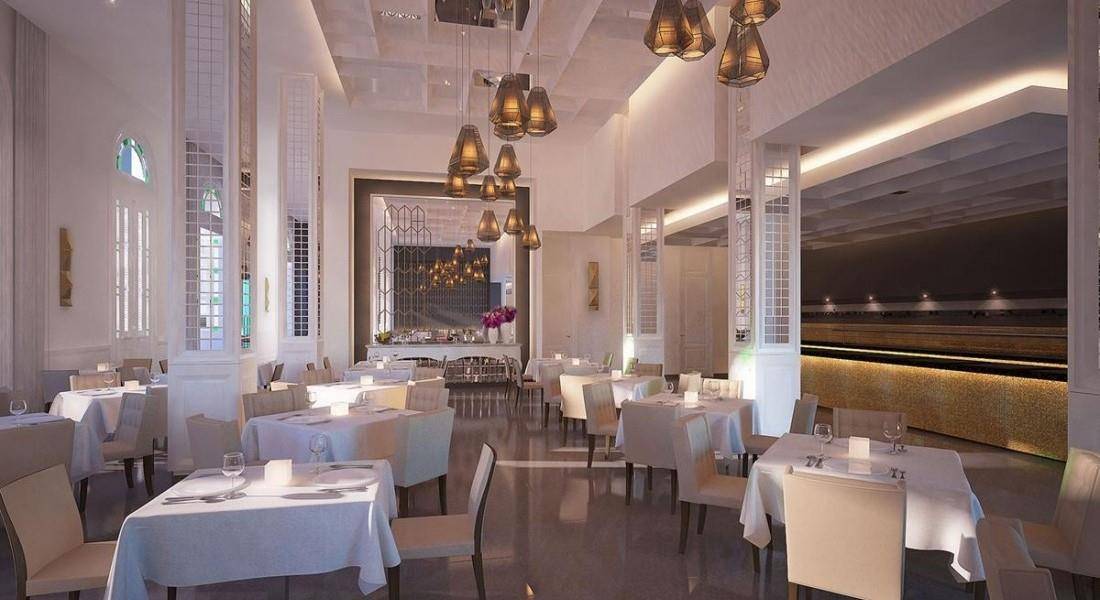
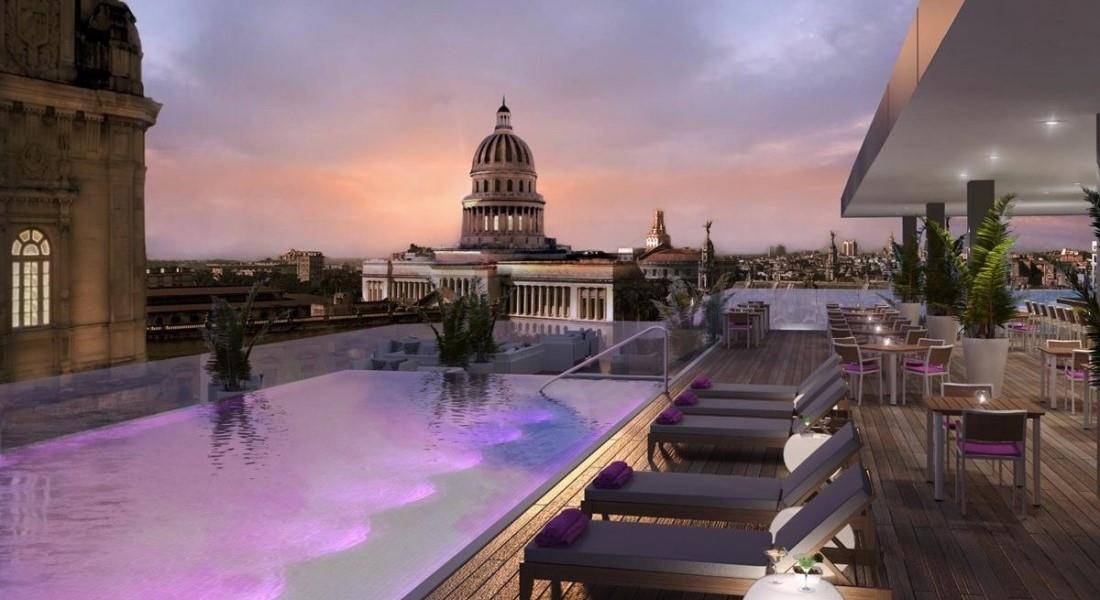
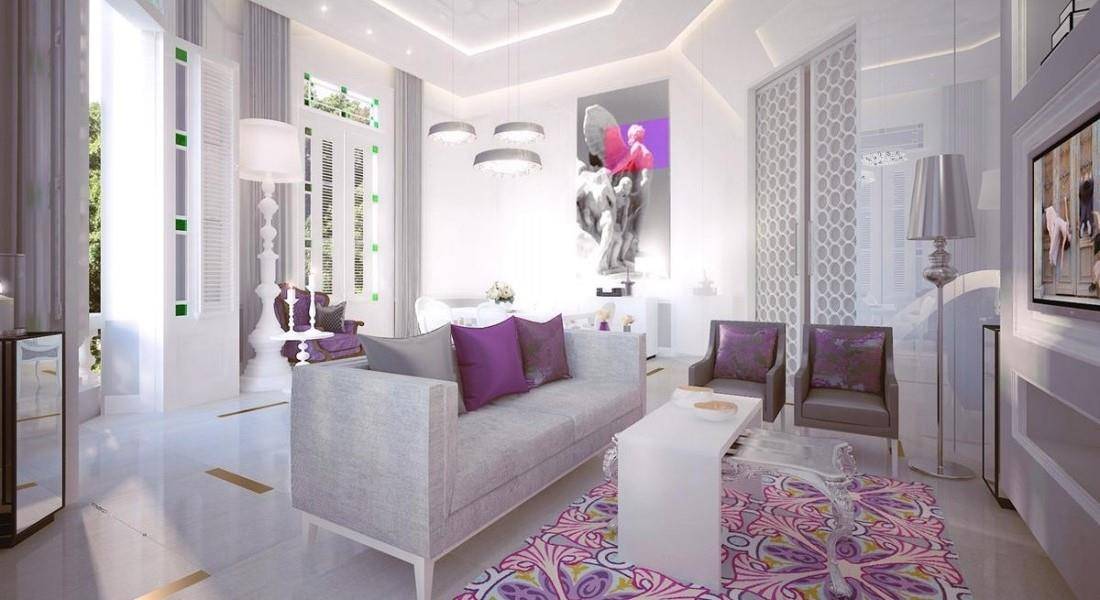
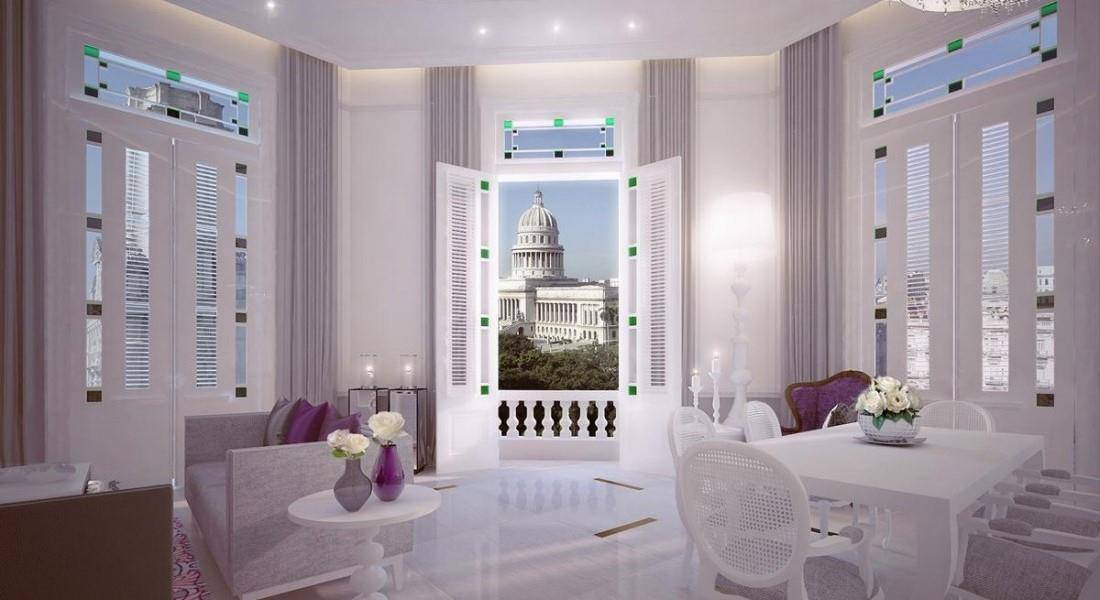
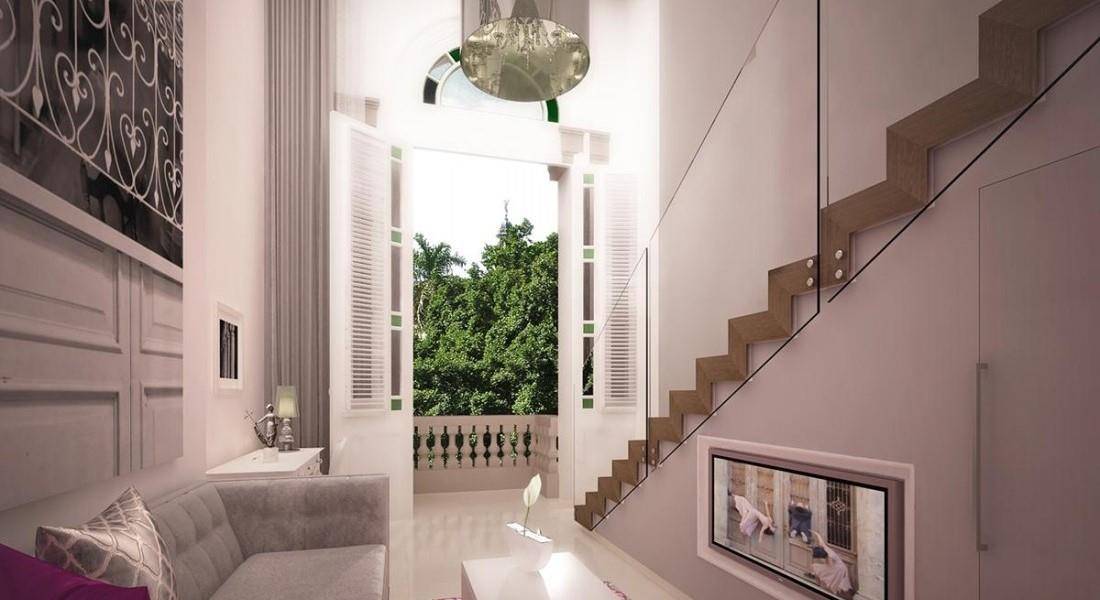
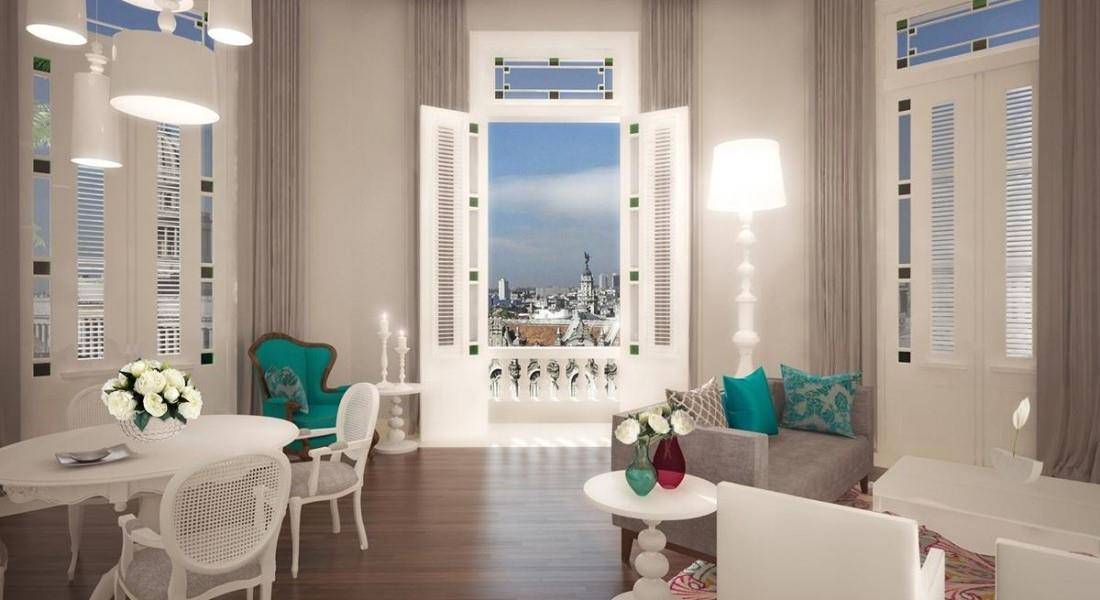
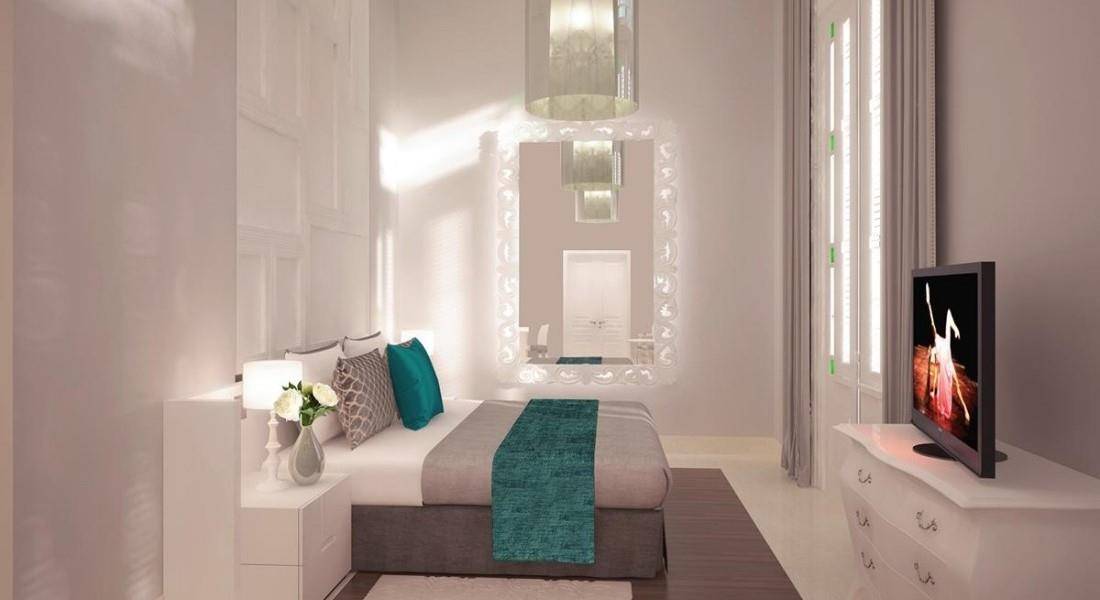
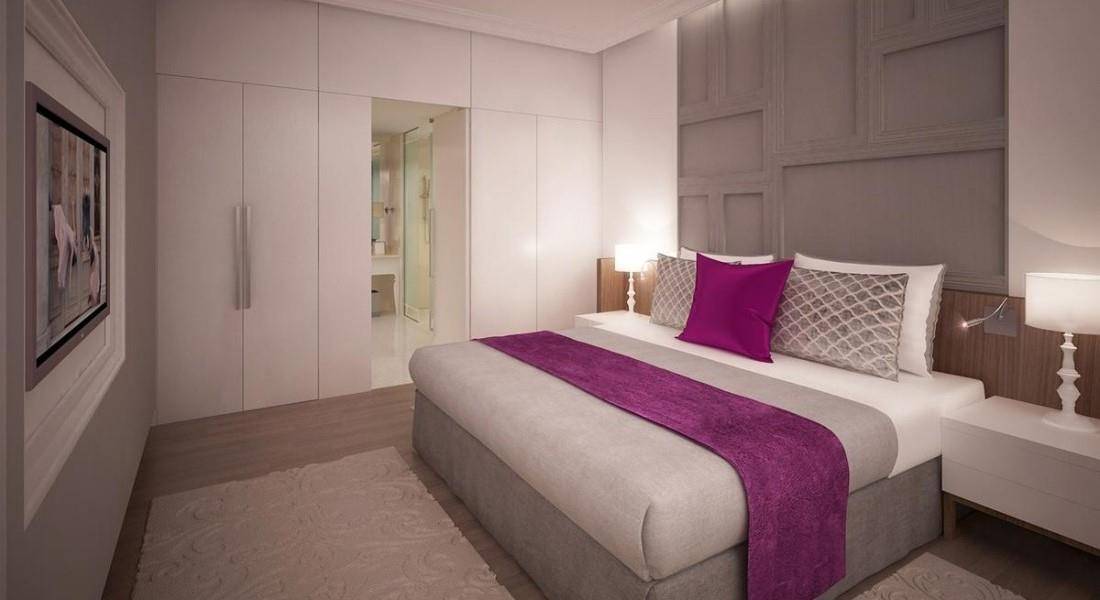
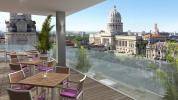
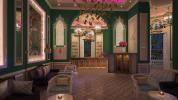
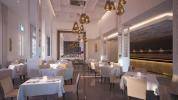
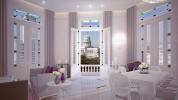
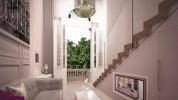
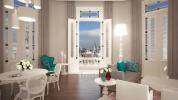
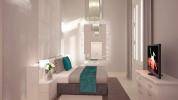
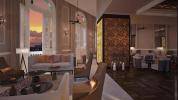
Kempinski La Habana’s planned opening was set for 2016, however the progress has been slightly delayed and opening has been now confirmed for late spiring 2017. The Kempinski group whilst maintaining the essence, rustic beauty and original detail of the building, are bringing the world class structure up to luxury hotel standards. Kempinski have been working in tandem with Gaviota S.A. and the country state-operated Habagüanex in this three year old restoration project. Once completed the Hotel will consist of 246 elegantly decorated rooms, all with internet service, two high class restaurants, a luxurious pool and terrace overlooking the spectacular Havana skyline, a fully equipped gym and 5 star amenities providing clients with the utmost comfort.

Refugio No. 1 e/ Zulueta y Monserrate, Habana

Museum of the Revolution

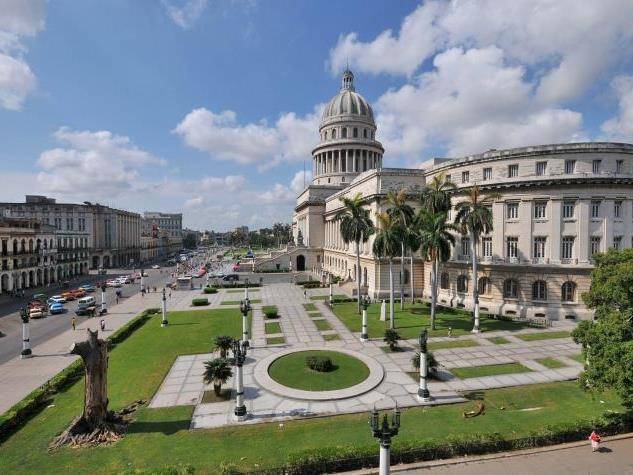
Situated in the former Presidential Palace (1920-1960), the Museum of the Revolution is a colorful building of a large dome and a mixture of styles. A detailed panorama of the struggle undertaken by the Cuban people in order to obtain its freedom is available in its 38 rooms. Its outdoor areas feature the Granma Memorial, where visitors can see, protected by an enormous glass case, the boat on which Fidel Castro and more than eighty combatants returned to Cuba from exile in Mexico to recommence the fight for the country's independence.

Calle Industria No. 520, e/ Barcelona y Dragones, Centro Habana, La Habana

Real Fábrica de Tabacos Partagás

The Real Fábrica de Tabacos Partagás (Partagás Royal Tobacco Factory), located in the north of Fraternidad Park, one of the oldest and more famous tobacco factories in Havana. It was founded in 1845 by the Spanish Jaime Partagás. Partagas was at the same time, owner of some tobacco plantations in the region of Vuelta Abajo. This is the most visited factory in the country. When you visit it in group you’ll discover how they do separate and classify the leaves in the ground floor; and how they do roll, press, adorn, and wrap the cigars in the upper floors. Currently there are around 500 workers on it, rolling cigars for well-known brands like Montecristo or Cohíba. The factory also houses a sales room, where you’ll be able to choose among a great variety of Havana cigars, and a bar.

Calle Compostela No.2, Habana Vieja, La Habana

Iglesia del Santo Ángel Custodio

The Santo Ángel Custodio Church was built in 1695, but wasn’t considered a church until 1788. It lies on one of the few and modest hills of the city, called Loma del Ángel. The original church was severely affected by the 1846 hurricane, its tower and the whole of the front and back of the nave were destroyed, so it was completely refurbished in the peculiar gothic style that can be seen today. Currently, the temple has two towers and an atrium where the church’s cemetery was formerly located. The entry doors are in the shape of pointed arches, and in its interior has three naves covered by barrel vault, as well as an ambulatory, the only church in Cuba to contain this feature. Félix Varela and José Martí were baptised in this church. It is also interesting to know that this temple is mentioned in Cecilia Valdés, a great 19th century Cuban novel by Cirilo Villaverde.

Calle Leonor Pérez No. 314, La Habana

Museo Casa Natal de José Martí

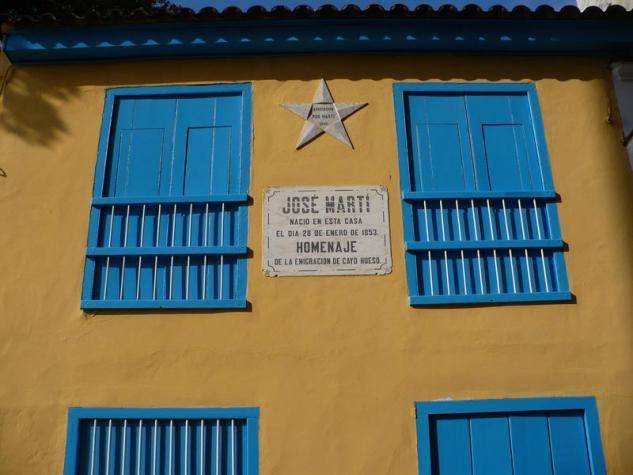
The Museo Casa Natal de José Martí (Birthplace Museum) is the house in which José Martí was born, a 19th century politician, intellectual and national hero of the Republic of Cuba. This humble two-floor house was converted into a museum in 1925 and declared a National Monument in 1949. It exhibits personal objects of José Martí, whose spirit is felt in every corner of the restored house. It was built at the beginning of the 19th century, rather close to the city walls, and has typical features of many houses in the area: a tiled roof and mortar walls.  The house was restored and its collection enriched in a community process in 1959. It is interesting to know that this museum contains the only known Oil Portrait of José Martí.

Be the first to write a review

Write a review

Title

Your review

What sort of Trip was this?

  • Business
  • Couples
  • Family
  • Friends
  • Solo

When did you travel?

Add a tip to help travelers choose a good room (Optional)

Do you have photos to share? (Optional)

Name

Email

Skedio, S.L. CIF: B66173931. # Travel Agency Licence: GC-3667 © 2025 Enjoytravel Corporate, All rights reserved