Hotels - Hostal Valencia

About  Hostal Valencia

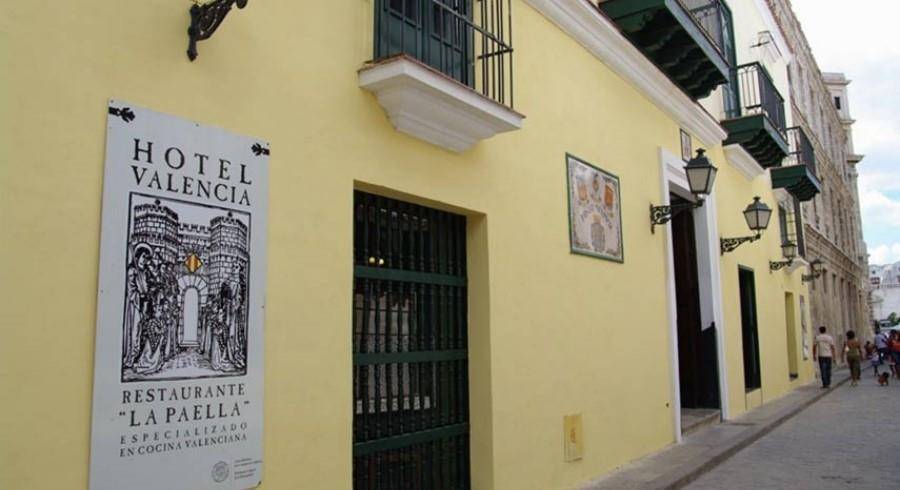
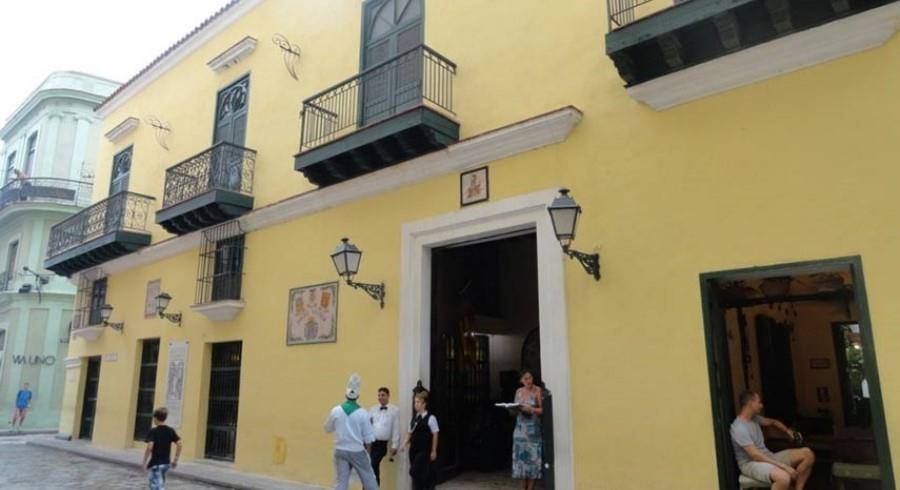
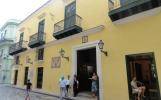
The Hostal Valencia was the first Old Havana mansion to be converted by the Office of the City Historian into an hotel. Originally constructed for Alderman Sotolongo, a member of Havana’s Town Council, a large part of the building had actually collapsed by the time it reached the head of the queue for restoration – the remainder was braced against surrounding edifices with a complicated structure of wooden scaffolding.

Once this had been removed and the ruins consolidated, the collapsed section was rebuilt and balcony railings in this area have been left plain to indicate to architectural historians which part is restoration and which recreation. The Hostal Valencia is modest in style compared to establishments such as the Santa Isabel and the Saratoga, but its charm and very acceptable prices ensure an almost constant waiting list for bookings. 

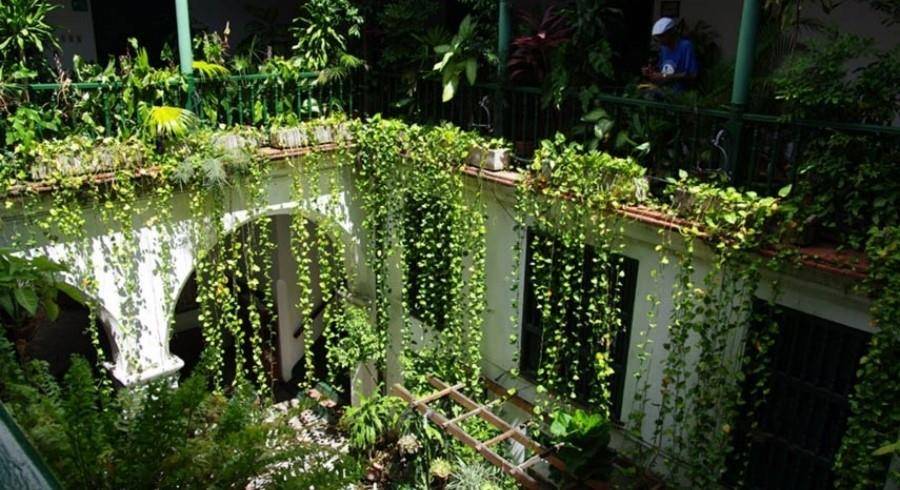
Entering the Valencia, one passes through impressive colonial portals to a large hall which in spite of having been built at the end of the eighteenth century has a distinctly seventeenth century atmosphere; this is carried on throughout the general layout of the house and such details as the terracotta-tiled staircase, enormous mahogany beams and cobbled courtyard which is framed by bright green ferns and long strands of malanga vine trailing down from the upper floors.

The establishment’s two bars continue the general impression of antiquity with low ceilings and dim lighting so that one fully expects a pirate to come lurching out of the gloom clutching a half-drunk bottle of rum and muttering about dead men’s chests.

The people who work at the Valencia are especially kind and helpful and greet clients like old friends, which they generally are as many people return to the hotel again and again. The restaurant on the corner is renowned for its huge iron pans of prizewinning paella and the coffee from the courtyard bar is sublime.


Calle San Ignacio 54 (Plaza de la Catedral), Habana Vieja, La Habana

El Patio Restaurant (Marquis of Aguas Claras Palace)

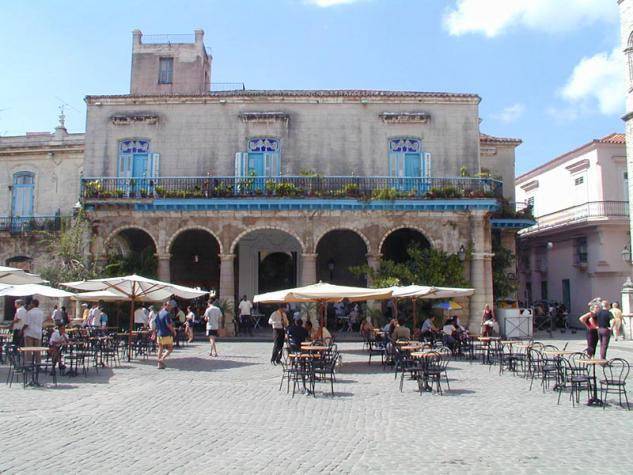
This is a 1760 Baroque palace venerated for the great beauty of its Andalusian patio. It has a fountain surrounded by tropical vegetation where you will find several tortoises. Before the Revolution, this monumental building was the headquarters of the Industrial Bank; nowadays it houses the El Patio Restaurant. Although it offers traditional Cuban food, it speciality is meat and crustaceous, dishes as the Cathedral Mixed Grill (a varied grill) and skewers of lobsters and shrimps. The bar serves a collection of wines beers, rums and cocktails. It is currently possible to buy souvenirs in the craftworks shop located in the former Casa de Baños House, on the western side of the Cathedral square.

Carretera de La Cabana, Habana del Este

Tres Reyes del Morro Castle

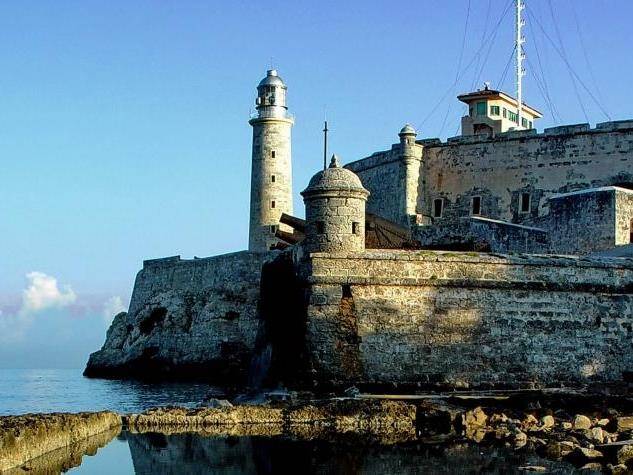
Perhaps the most iconic of all Cuban fortresses. Its construction began in 1589 and was completed in 1630, playing a key role in the defence of Havana against raids by corsairs and pirates.  When the English attacked and captured Havana in the year 1762, the castle was damaged and later as soon as Spain took power again it was rebuilt and modernized. A lighthouse was added to the Morro in 1764. Standing 45 metres above sea level, it has become an unmistakeable symbol of Havana.

Calle Mercaderes No. 114, Habana Vieja, La Habana

Maqueta Museum of Old Havana (Scale Model Museum)

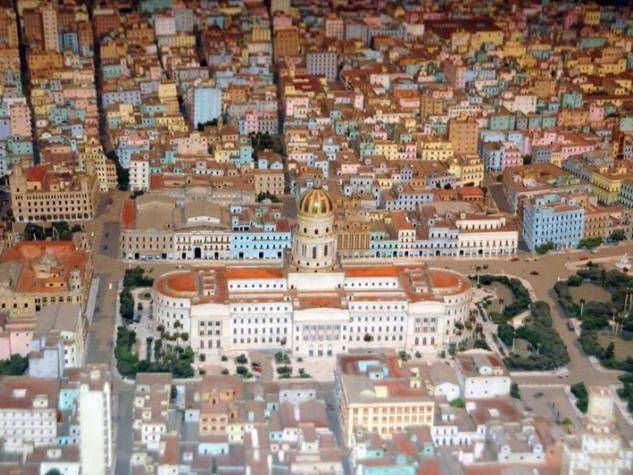
The Museo Maqueta de La Habana Vieja (Maqueta Museum of Old Havana) (Scale Model Museum) hosts a 1:500 scale model of Old Havana, one of the most important of these models in all of Cuba, and is considered as a place of great interest, knowledge and entertainment by its inhabitants. It is continuously updated and is rather impressive due to the incredible attention to detail in its works in regards to some of the most important buildings of Old Havana. This is one of Old Havana’s must-visit museums, as it allows you to imagine what the historical center of Havana is like as a whole, and therefore being able to get a better look at it when walking its streets.

Tacon e/ Obispo y O'Relly, Habana Vieja

Arms Square

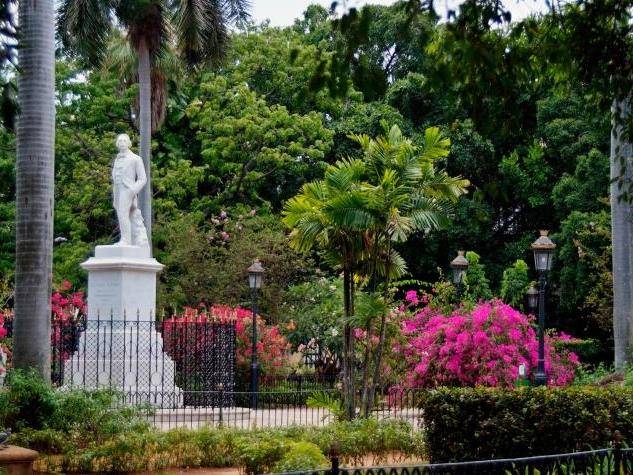
Plaza de Armas surrounds a statue of the patriot Céspedes and is ringed by shaded marble benches and second-hand bookstalls. This square, founding in 1519, was the city's first open space, around which the most important political, military, religious and civil institutions were located. The palaces that surrounded it during the 18th century are worthy exponents of Cuban Baroque architecture. On the square’s eastern side a small neoclassical temple, El Templete, marks the spot where the first Catholic mass was celebrated in 1519. Next door is one of the city’s most luxurious hotels, Hotel Santa Isabel. To the north, the squat but angular and moated Castillo de la Real Fuerza (Fort of the Royal Forces) is one of the oldest forts in the Americas.  

Be the first to write a review

Write a review

Title

Your review

What sort of Trip was this?

  • Business
  • Couples
  • Family
  • Friends
  • Solo

When did you travel?

Add a tip to help travelers choose a good room (Optional)

Do you have photos to share? (Optional)

Name

Email

Skedio, S.L. CIF: B66173931. # Travel Agency Licence: GC-3667 © 2026 Enjoytravel Corporate, All rights reserved