403 San Basilio St. between Calvario St. & Carniceria St., Santiago de Cuba ,
Santiago de Cuba, Cuba
(+53) 22651702
yes
About
San Basilio
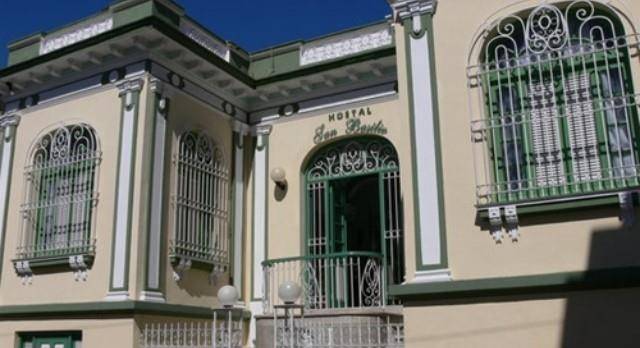
Hotel Encanto San Basilio is in Santiago de Cuba, the second largest city in Cuba. The building was originally built in the second decade of XX century and after full refurbishment was re-opened in July 2003. San Basilio stands in the privileged location, in the street that gives the name to the hotel and is recommended for budget travellers!
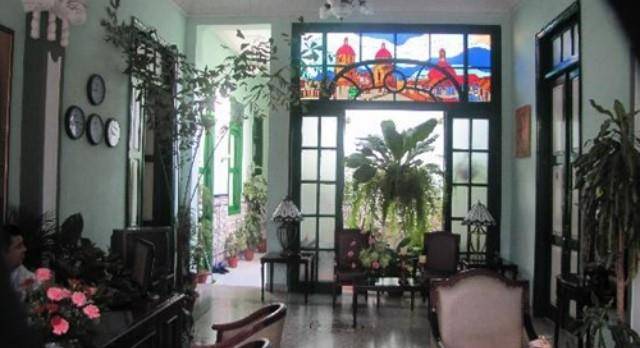
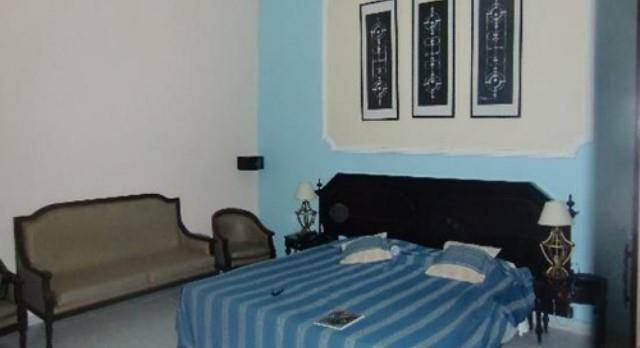
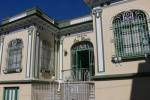
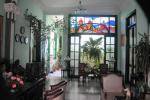
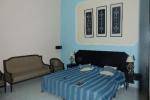
Hotel San Basilio has large windows, fine blacksmith shop and double stairs and a small balcony to the centre. 8 rooms and a small restaurant are decorated with furniture and elements in correspondence with the architecture of the building. About 15 very professional workers offer the services and do their best so to satisfy the guests.
San Basilio Hotel also welcomes external clients who would like to have a drink or some food at the restaurant or lobby bar.
Calle Bartolomé Masó (San Basilio) y Calle Corona, Santiago de Cuba
Balcón de Velázquez
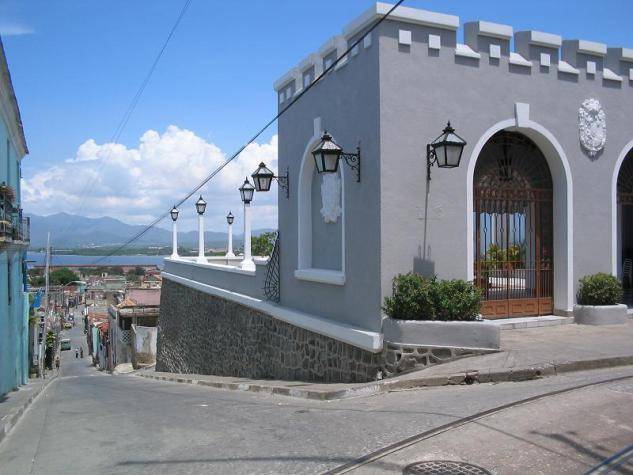
This ceramic-tiled terrace is all that remains of a fort once used by authorities to monitor boat traffic. It's a great place to linger while taking in views of both the city and the bay. Music shows and other events are often held here, particularly on weekend evenings.
Calle Trinidad y Calle Nueva, Santiago de Cuba
Abel Santamaría Historic Park
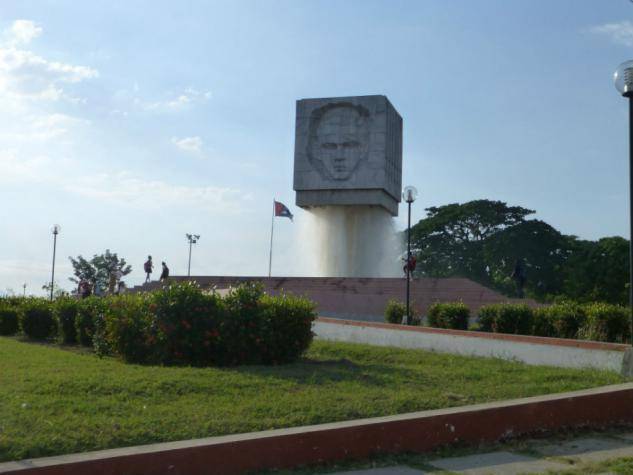
Abel Santamaría Historic Park is compounded by the museum, a library and a monument in the place in which you will find the ruins of the Former Saturnino Lora Civil Hospital. The museum of the enclosure which binds together all these buildings was opened in 1973 on the occasion of the 20th anniversary of the assault to the Moncada Headquarters, and exhibits the history related to the famous assault and the trial of Fidel Castro. The monument opened in 1979 in memory of Abel Santamaría and his colleagues who were tortured and murdered after the failed raising. It has four faces in which there is a sphinx of José Martí, another of Abel Santamaría, six bayonets symbolizing justice; the solitary star and a verse of the National Anthem. The water curtain which seems to support the compound symbolizes the ideals of the young men of the Centenary Generation.
Calle Félix Peña (Santo Tomás) No. 612 e/ Aguilera y Heredia, Santiago de Cuba
Casa de Diego Velázquez
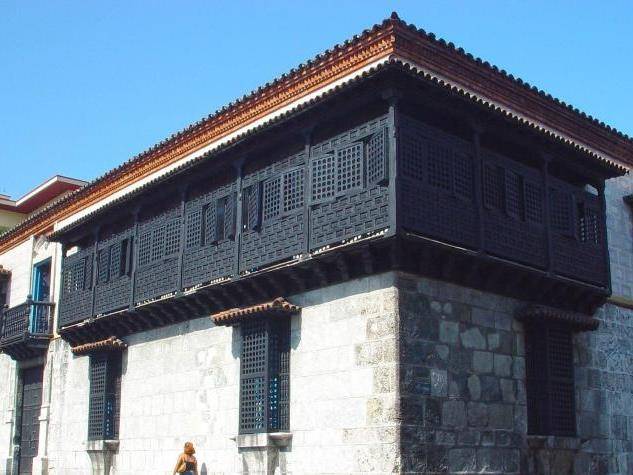
Constructed in 1516, this structure is reputed to be Cuba's oldest house one of the oldest in the Americas, although many historians now doubt that claim. Noticeable for its black-slatted balconies, it is one of Santiago's top attractions. Diego Velázquez, the Spanish conquistador who founded the city and was the island's first governor, lived upstairs. At the moment this old house works as Cuban Historical Colonial Environment's Museum, its rooms overflow with period furniture and carved woodwork and encircle two lovely courtyards. Inside you'll find period beds, desks, chests, and other furniture. On the first floor is a gold foundry. Memorable are the star-shape Moorish carvings on the wooden windows and balconies, and the original interior patio with its well and rain-collecting tinajón vessel. An adjacent house is filled with antiques intended to convey the French and English decorative and architectural influences—such as the radial stained glass above the courtyard doors—in the late 19th-century.
Santa Rita a Hospital, Santiago de Cuba
Calle Padre Pico
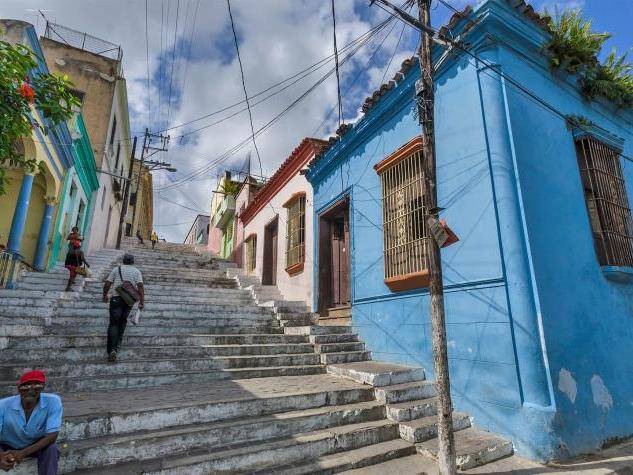
This is undoubtedly one of the city's most well-known streets. It offers an excellent natural viewing point and is the only stepped street in Cuba. It's part of the Tivoli neighborhood, where 18th-century French-colonial mansions sit side by side with 16th-century structures
 English