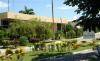
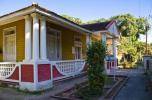
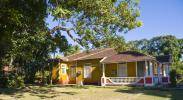
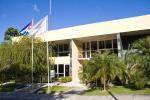
Vista Alegre, Santiago de Cuba. ,
Santiago de Cuba, Cuba
(+53) 22641368
yes
About
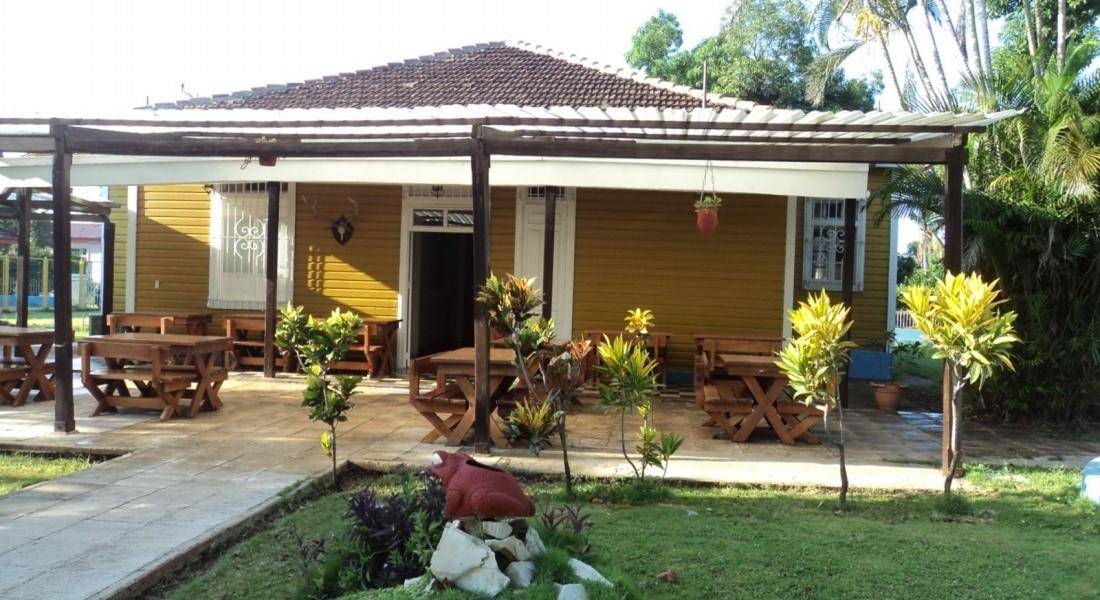
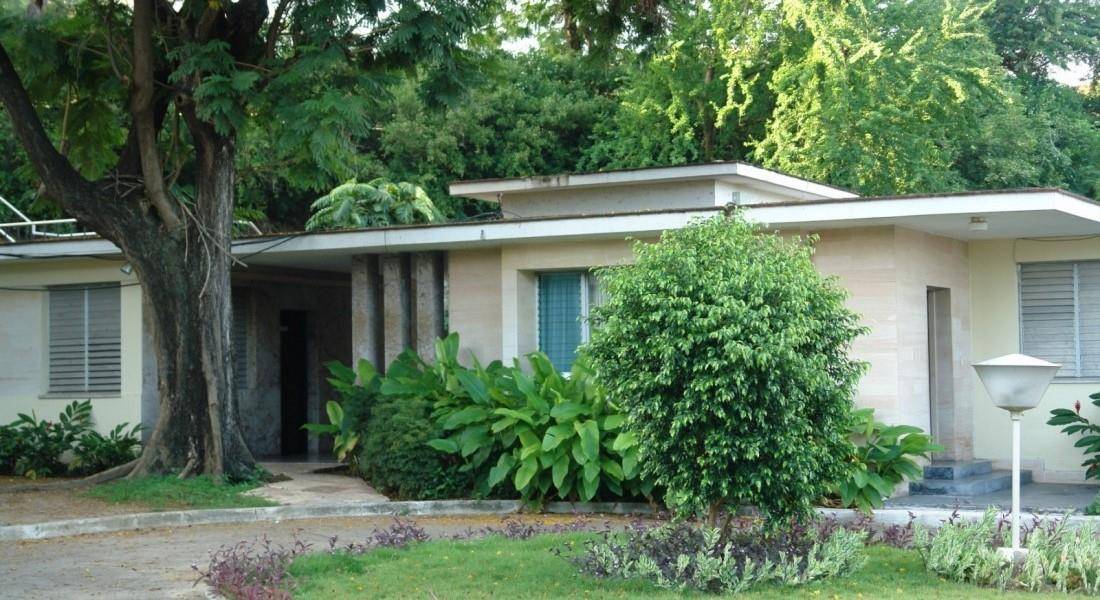
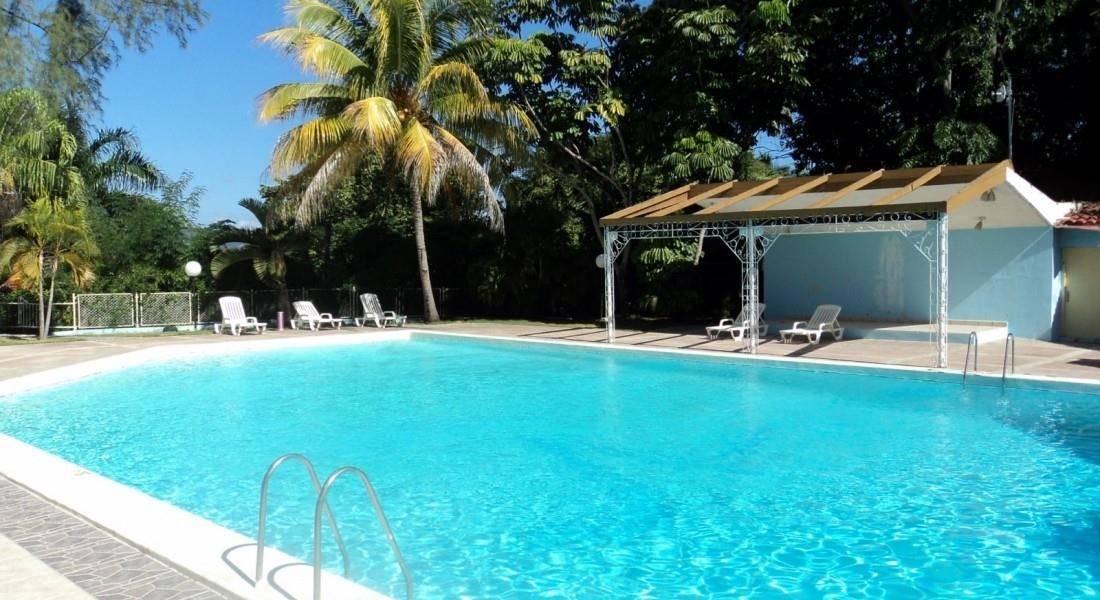
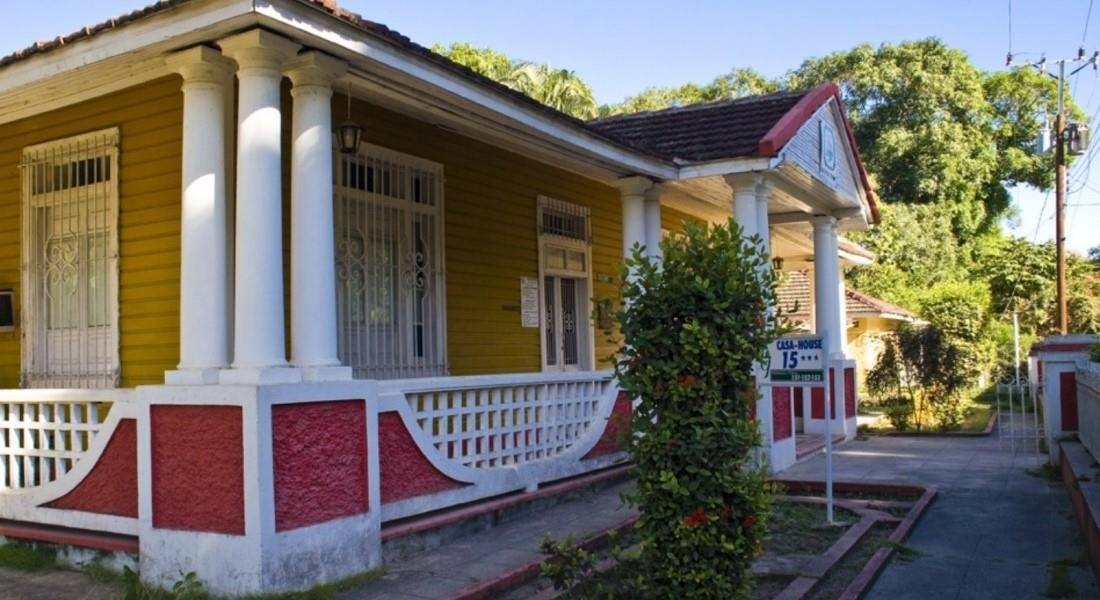
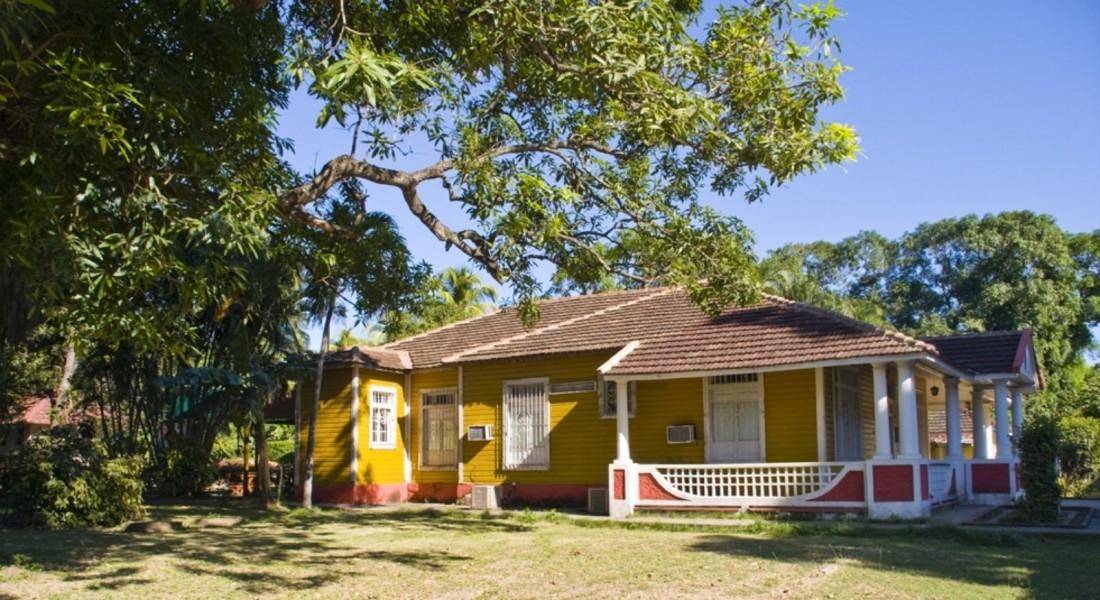
Villa Gaviota Santiago
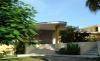
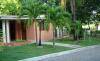
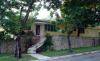
The Villa is located in the Reparto Residential Vista Alegre residential, at only minutes from the historic, commercial and cultural center of Santiago de Cuba city, only 10 km from the international airport.
Rooms: 4, from them 2 Junior Suites and 2 Standards.
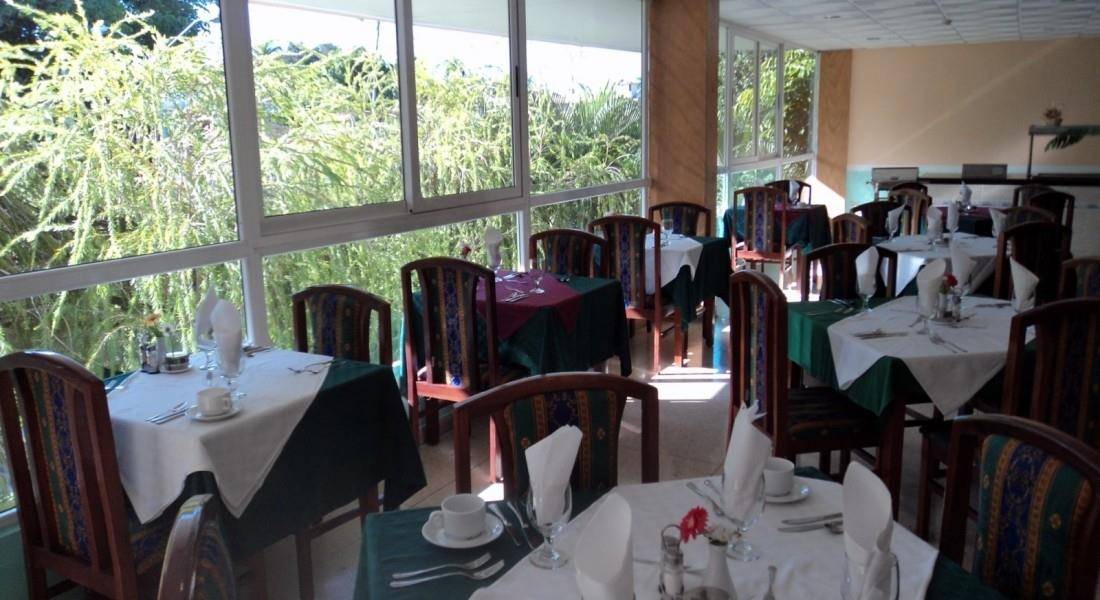
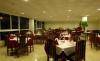
Restaurants and bars: 1 buffet and menu restaurant and 2 bars.
Parque Céspedes, Santiago de Cuba
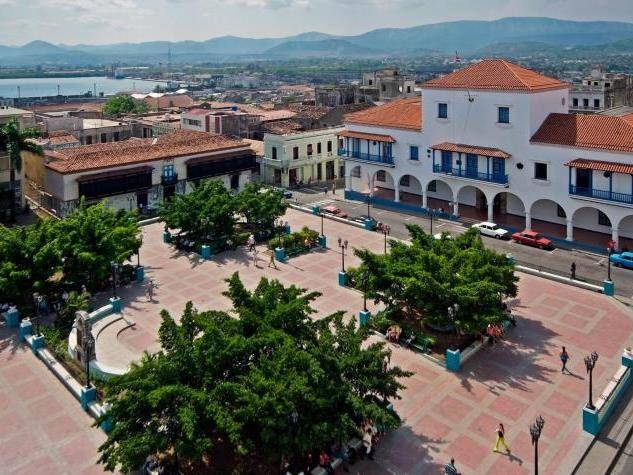
Céspedes park
The most atmospheric part of the city is Old Santiago. Céspedes Park constitutes the political, religious, administrative and social center more important of the city. The attractive square is a genteel place with tall trees, gas lanterns and iron benches. In their perimeter were located by disposition of the Laws of Indias, the representative buildings of the power: Town Hall, Cathedral, the house of the governors and the mansions of the main families of the village. Parque Céspedes is dominated by its twin-towered cathedral. A basilica was built on this spot in 1528, but what you see was rebuilt in the early 19th century after a series of earthquakes and fires.
Santo Tomás y Francisco Vicente Aguilera. Santiago de Cuba
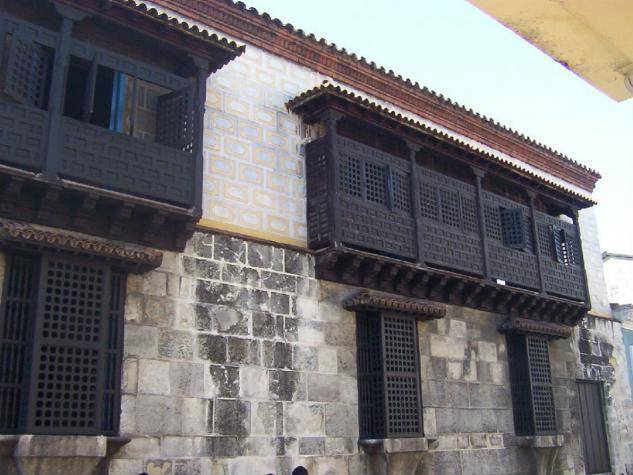
Museum of Historical Cuban Atmosphere
Located in front of the Céspedes Park, the Museum of Historical Cuban Atmosphere is one of the most important museums in Santiago de Cuba. The museum is constituted by two antique houses that were built in different times. One is from the 16th century while the other is from the 19th century, and both show the way of life of the centuries in which they were built. The oldest house was built in 1515 and is a gem of the colonial architecture. It was the Governor Diego Velázquez’s home and the Casa de Contratación y Fundición de Oro (Hiring House and Golden Foundry). After several changes, the house was restored in 1965 and the space was dedicated to show the way of life of the 16th, 17th and 18th centuries. The most modern house dates from the first third of the 19th century and belonged to a local family named Quesada. This house is set in the way of life of the 19th century through a series of rooms like the hallway, the 19th century patio and the garage.
Ave General Portuondo (Trinidad) y Ave Moncada, Santiago de Cuba
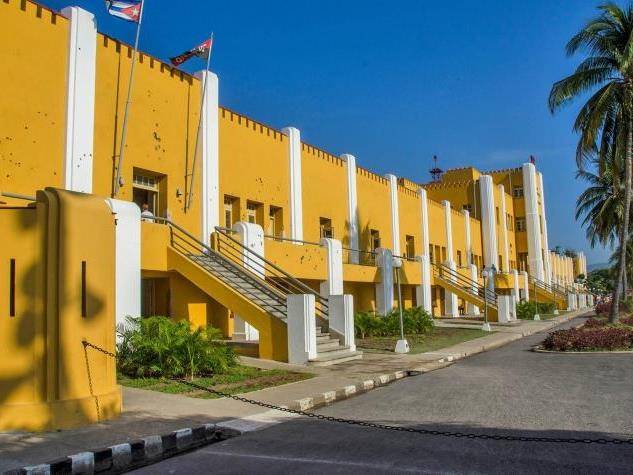
26th of July Historical Museum
This museum is located in the former Moncada Barracks, a military fortification which came under attack on 26 July 1953 by a group of young revolutionaries led by Fidel Castro Ruz. Moncada was the second military fort of the country, occupied by about a thousand men under the command of Fulgencio Batista. Unfortunately, the rebels were either killed or captured. Although unsuccessful, the attack ignited the sparks of Cuban Revolution. Fidel wrote his famous speech "La historia me absolverá" ("History will absolve me"), which was smuggled out of prison, printed, and distributed throughout the island. This event launched the final stage of the struggle for the country's freedom. After the victory of the revolution Moncada Barrack was transformed into a school, and a space was devoted to Museum. The museum exhibits some of the revolutionaries' personal belongings, some of the weaponry used and photographs of the historical event, as well as a valuable coin collection.
Santiago de Cuba
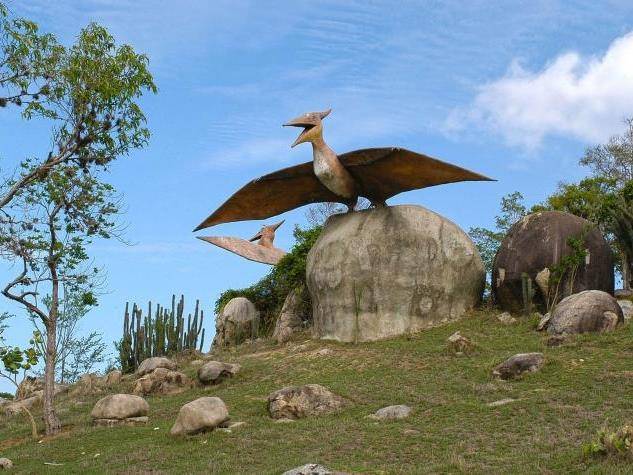
Baconao National Park
One of the most beautiful Biosphere Reserves in Cuba. The big areas offer different geographical contrasts such as marine terraces and mountainous elevations with a exuberant vegetation that endow this site like an unforgettable place to be in contact with an almost virgin nature. This park covers an extensive area of forest, offering visitors numerous attractions such as the Valley of Prehistory, the Museum of Land Transport, the Great Lagoon of Baconao, Daiquirí beach and the Great Stone, a stunning viewing point in the ruins of a French coffee plantation.
 English